In this article
There is a particular quiet on the first night in a new home. The keys are on the counter and the boxes are stacked in the wrong rooms. The house makes small sounds you have not learned yet. Underneath the excitement sits a reasonable thought: I do not really know this place.
Here is the whole plan for fixing that. Rekey or replace every exterior lock on day one, then spend the rest of the week working through doors, windows, lighting, valuables, and habits. Twenty-four small jobs. Most take minutes and none need special skills. Together they cover the realistic ways trouble reaches a house.
The interactive checklist below keeps score for you, so you can knock out three items between unpacking sessions and pick up where you left off on Thursday. A week is plenty of time. Nothing has to happen tonight except locking the doors you already have.
Why the locks come first
The previous owners were probably lovely people. That is not the point. The point is arithmetic: a house's keys multiply over the years. A spare for the neighbor who watered the plants. One for the contractor during the kitchen remodel. Copies cut for a college kid, a cleaner, a dog sitter, the lockbox from the sale itself. Nobody, including the sellers, can tell you how many exist or where they ended up. Rekeying resets that number to one you know: however many keys are sitting on your counter right now.
It also closes off the least cinematic, most common way burglary really happens. In Bureau of Justice Statistics victimization data, 63 percent of completed household burglaries involved no force at all. Among those no-force entries of unoccupied homes, about 40 percent came through an unlocked door or window, and another 17 percent through one left standing open. No pry bar, no broken glass, just an opening that was available. Which means the most powerful security device in your new house is a lock that locks, opened by keys only you hold. On closing day, that second half is not yet true.
The fix is undramatic. A locksmith can rekey a whole house in one visit. Most hardware stores will rekey a cylinder you bring in, and DIY rekeying kits exist for the common lock brands. Same deadbolts, new pins, and every old key in the world stops working at once. If a lock is loose, corroded, or builder-grade flimsy, replace it instead and get the upgrade and the fresh keying in one move.
The first-week checklist
Twenty-four jobs in six groups, ordered roughly by urgency. The day-one group means day one. Everything else lands wherever it fits.
Progress saves on this device, so you can come back between moving boxes.
0 of 24 doneDay one
Nice. The house is learning you.
Doors
Doors, done. That was the heavy lifting.
Windows
Every pane accounted for.
Light and sight
The house shows well after dark now.
Valuables
Everything important has an address.
Habits
These are the ones that keep working after week one.
All 24 done. It's not a new house anymore. It's yours.
Five checklist items worth a closer look
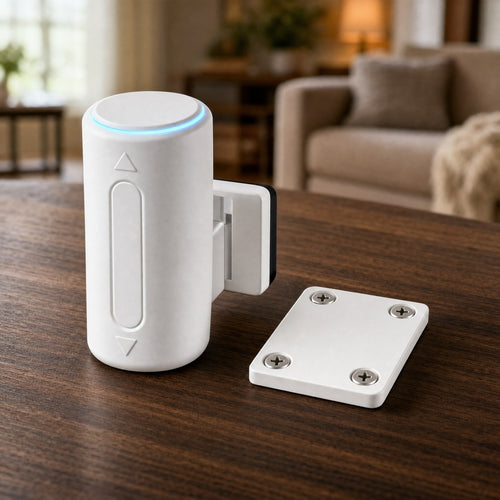
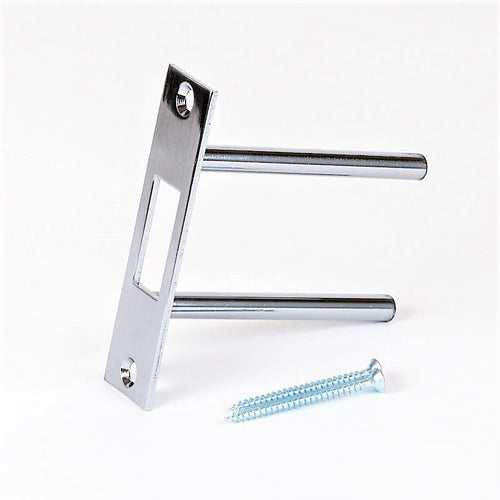
The two screwdriver jobs on the doors list repay the effort more than anything else on this page. A strike plate is the small metal piece your deadbolt slides into, and on most doors it hangs on screws under an inch long that bite only into the trim. An anti-kick strike plate kit swaps it for a reinforced plate anchored by 3-inch screws that reach the stud behind the frame, so force against the door meets the house's framing instead of a strip of pine. A door reinforcement lock adds a second blocking point at the edge of the door, engaged from the inside at night. Each is roughly a ten-minute job.
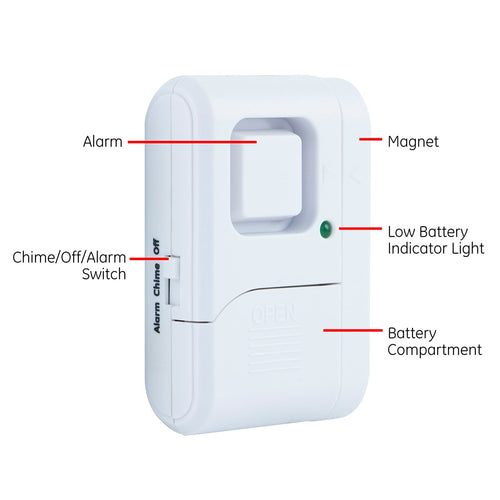
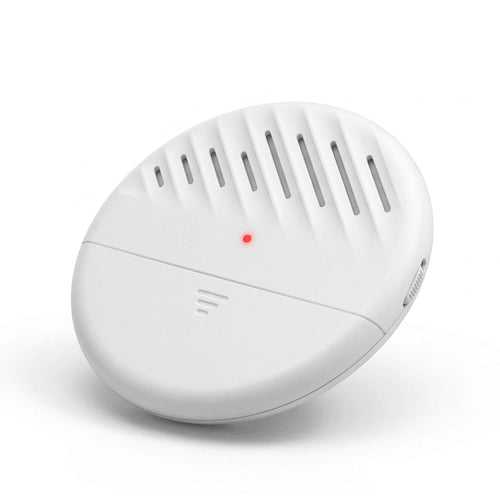
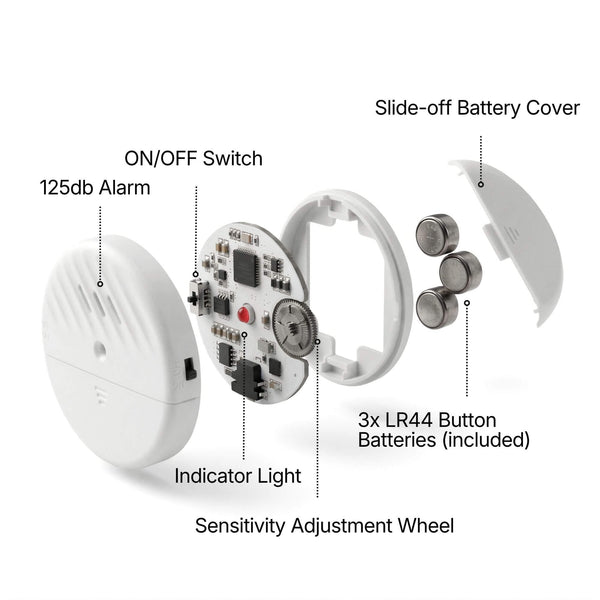
For the alarm boxes, two devices split the work. A magnetic entry alarm is a pair of small adhesive pieces on the door and frame; when they separate, the siren sounds. A vibration alarm sticks to the glass itself and reacts to the rattle of prying or impact, sounding its 125 decibel siren while the problem is still outside the house. That order of events matters. In a University of North Carolina at Charlotte survey of 422 incarcerated burglars, about 60 percent said they would look for a different target if a home had an alarm. The goal is to cancel the confrontation, not to win it. Both devices run on batteries, with no Wi-Fi or app to set up and no subscription behind them. Convenient, in a house where the internet is often the last utility to show up. To pair each opening with the right device, the alarm finder takes about a minute.
And do the paperwork box before the filing boxes disappear into a closet. FEMA's Emergency Financial First Aid Kit sorts household papers into four piles (identification, financial and legal records, medical information, and key contacts) and recommends keeping paper copies at home in fireproof, waterproof storage. A fireproof document bag handles that without the bulk of a safe, and moving is the one moment when every document you own is already gathered in one place. Our guide to what goes in a fireproof document bag has the full packing list. For everything else you tuck away, skip the spots everyone knows: a hurried search starts with nightstands and dresser drawers, a pattern covered in where burglars look first.
Renting? Two swaps cover you
Renters can run nearly this whole list; only the rekey and the screw-based items change. Swap the day-one rekey for a direct question: ask your landlord or property manager when the locks were last rekeyed and whether they change them between tenants. Some do it routinely, many only when asked, and a polite written request dated to your move-in is hard to ignore. The strike plate and reinforcement lock become a permission conversation, best framed as a free upgrade to their door, which is exactly what it is.
No-drill hardware carries the rest: adhesive entry alarms on the doors, the vibration alarm on ground-floor glass, a bar in the slider track, all of it packable when the lease ends. Our renter-friendly home security guide works through a whole apartment on the same no-drill principle.
A week is the right pace
You just carried your entire life through a doorway. That was the hard part, and nothing on this list needs to match it. Three items on a Tuesday, the locksmith on Wednesday, the curb check whenever you remember after dark: by the weekend the essentials are done and the leftovers have calendar dates.
Keep the scale of things in view too. About 99 percent of American households went through 2024 with no burglary or trespassing at all, according to the Bureau of Justice Statistics' national victimization survey, and burglary rates have been falling for decades. This checklist is not armor against something probable. It is how an unfamiliar house becomes yours: the week you learn where the shutoff hides, which stair creaks, who lives next door, and exactly how many keys exist. If you are starting from zero on a budget, your first $100 in home security orders the spending, and the home security collection keeps the hardware in one place. For the ground-floor glass, the vibration alarm 6-pack is $99, which brings each alarm to $16.50 instead of $29.99, and two free no-drill window locks and the Home Security Guide come with it.
Somewhere around night four or five, it happens quietly: the house makes its sound and you do not look up, because now you know what it was. That is the real finish line. The checklist is just the fastest road there.
Moving-in questions: keys, old alarms, costs
Do I need to rekey a brand-new build?
Yes. A new house has had builders, trades and agents through it before you, and nobody can tell you how many keys went around, so the day-one rekey applies just as much as it does to an older home.
Can I keep using the alarm system the previous owners left?
Often, but treat it like the locks: reset every user code and remote before you rely on it. Any monitoring contract was in the seller's name, so call the company about transferring or ending it.
Will the anti-kick strike plate kit fit my door?
It works with standard residential deadbolts and standard door frames. You keep your current lock and handle; the kit only replaces the metal plate the bolt catches on and anchors it into the wall stud with 3-inch screws, and a drill makes those screws much easier to drive.
What does it cost to alarm the ground-floor glass?
Budget $99 for six TremShield Vibration Alarms, which is $16.50 each against $29.99 for a single and $80.94 less in total. The six-pack also brings two no-drill window locks and the Home Security Guide, and there is no monthly fee.
Back to all articles