
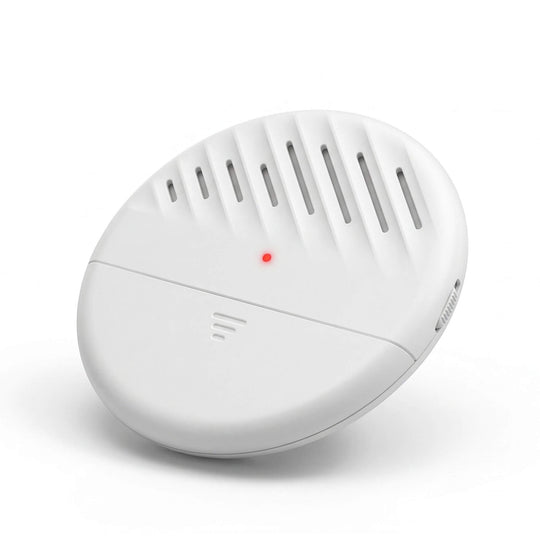
 Bestseller
TremShield Vibration Alarm
The TremShield Vibration Alarm is a small, self-contained alarm for windows, doors and any smooth,...
In stock · Ready to ship
$29.99
6 for $99, or $16.50 eachView TremShield Vibration Alarm
Collection
Window security locks for sliding, double-hung and hinged windows: clamp-on and keyed locks, a vent-limiting restrictor, film that holds a broken pane in its frame, and an alarm that sounds at 125dB when the glass is struck. Most need no drilling, so they suit renters too.
BestsellerThe TremShield Vibration Alarm is a small, self-contained alarm for windows, doors and any smooth,...
In stock · Ready to ship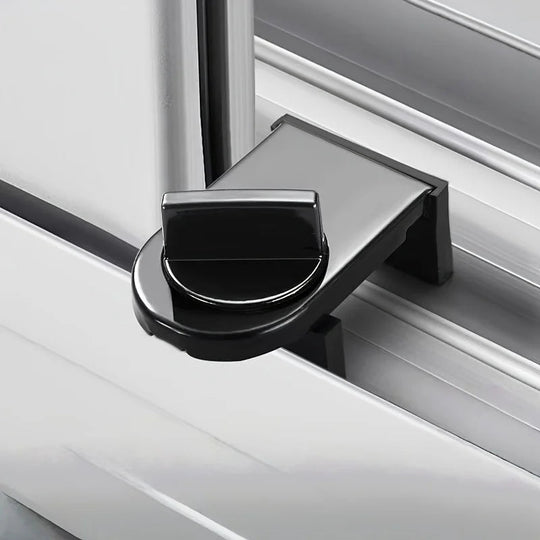
The No-Drill Window & Door Lock is a small clamp that grips the frame of...
In stock · Ready to ship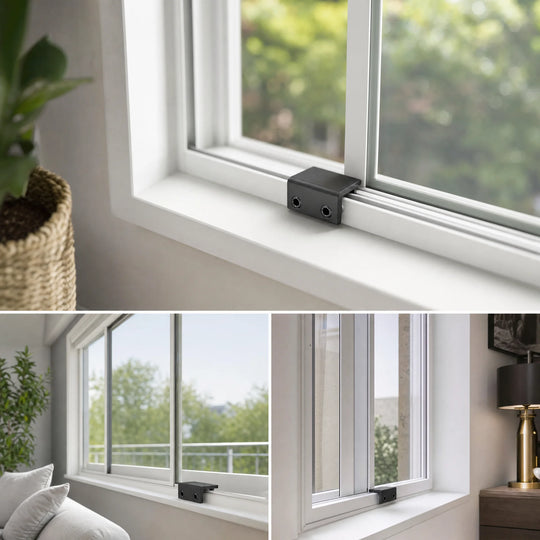
Two clamp-on sash locks that pin a double-hung or sliding window in place, shut or...
In stock · Ready to ship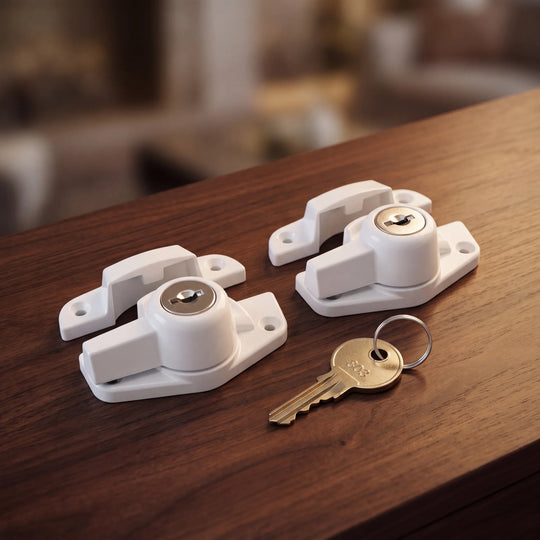
A window lock with a key: two white keyed locks for double-hung and sliding windows,...
In stock · Ready to ship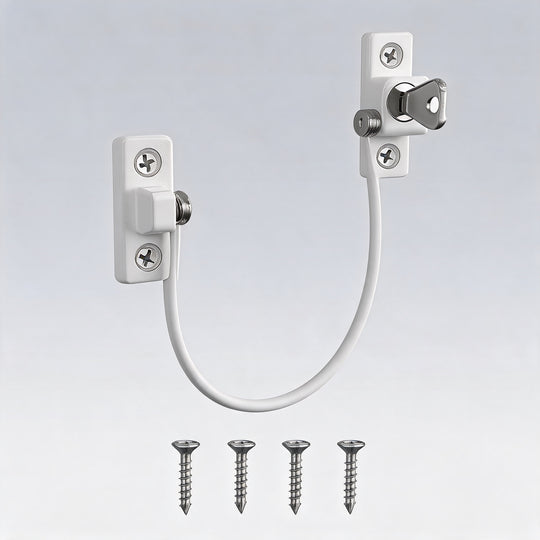
A steel cable window restrictor that lets a window open about four inches for air...
In stock · Ready to ship
A stick-on alarm is only as good as the pad holding it to the glass....
In stock · Ready to ship
A casement, crank or tilt-turn window swings on hinges, and everything holding it shut sits...
In stock · Ready to ship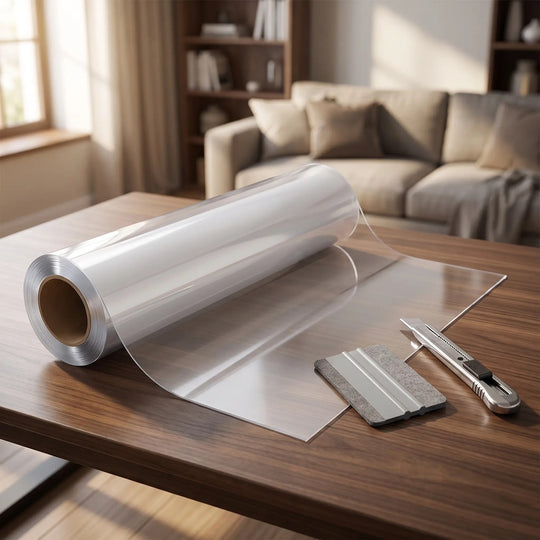
A clear 4 mil security film that holds a smashed pane together in its frame....
In stock · Ready to ship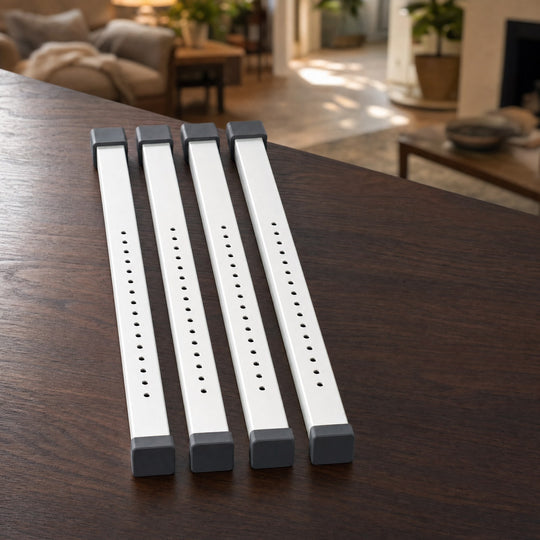
A no-drill track lock for sliding windows. It clamps to the track so the panel...
In stock · Ready to shipPick in 10 seconds
A window latch keeps a window shut against wind, not against force. You rarely need bars or new glass: stop the sash moving, hold the glass together, and make noise the moment the pane is touched.
The sliding window lock clamps to the track with a thumb-screw and stops the panel where you choose, shut or at a vent gap. The no-drill window door lock does the same job on the frame rail with a hand-tightened clamp. Neither one stops a panel being lifted out of its track. If there is clearance above the panel, two screws driven into the top channel take that room away for pennies. More fixes, cheapest first, are in what to do when a window won't lock.
The sash lock tightens onto the frame by hand, no drilling, and pins the sash shut or at a vent gap, even when the window's own latch is broken. Two come in a pack. The keyed window lock screws on where the two frames meet: a thumb-turn can be flipped by a hand reaching through broken glass, a key lock cannot. Both locks in its pack open with the same key.
Casement, crank and tilt-turn windows give track devices nothing to grip. The sash jammer takes two screws in the frame beside the sash, and its arm swings over the sash edge, so the window cannot be pushed open even with the handle turned. Two come in a pack: two windows, or one for each leaf of a pair of French doors. The full match-up is in which window lock fits which window.
The restrictor's steel cable lets a window open to about four inches, then stops it, and its key releases it fully for cleaning. It is not a child-safety device. Because it takes a key, keep it, and the other keyed locks, off any window someone might need to escape through. More in how to sleep with the window open safely.
Security film lets a pane crack but keeps the shards stuck in place, so the pane cannot be quickly cleared and reached through. What each glass type can take is in are there burglar-proof windows.
The TremShield alarm is a thin disc that sticks to the pane and sounds at 125 dB when the glass is struck or pried, while the person is still outside. It needs no Wi-Fi or app, costs nothing monthly, and a sensitivity dial tunes out trucks and wind. Spare mounting pads let you move one, and warning decals announce it from the walkway.
Walk outside and count the panes someone could reach from the ground: ground-floor windows, basement windows, anything beside a fence line or a low roof. Each gets a lock that fits its type and an alarm on the glass. Renters: the clamp-on locks and the alarm come off clean; the keyed lock, the restrictor and the sash jammer screw in, so ask first (see the renter-friendly security guide). Patio doors are in Door Security, and the 60-second alarm finder places each alarm. At six, take the pack: six TremShield alarms are $99, $16.50 each, with 2 free no-drill window locks.
Practical home-security tips and the occasional offer, straight to your inbox.