In this article
Keep cash, documents and valuables in three places, not one: a locked box out of the bedroom for cash and small things, a fireproof, water-resistant bag for the papers you can't replace, and copies of key documents outside the house. That split covers the three things that take valuables from a home: a quick theft, a fire or a leak, and losing track.
Below is an item-by-item list of where each thing should live and what to buy for it, plus one move most people miss: a 125 dB TremShield alarm stuck on the box itself, so anyone who pries at it gets noise instead of quiet.

Where each thing should live
Sort by what could take it. A passport has more to fear from a fire than from a burglar. Cash is the reverse.
| Item | Biggest risk | Where it lives at home | Keep a copy or backup |
|---|---|---|---|
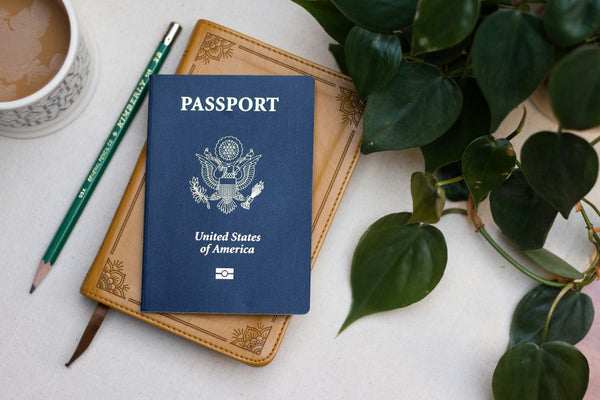
| Passports, birth certificates, Social Security cards | Fire, water | Fireproof, water-resistant bag | Scans on an external drive or in the cloud |
| Deed, car titles, insurance policies | Fire, water | The same bag, in the large sleeve | Scans; originals you rarely need can go in a safe deposit box |
| Emergency cash, in small bills | Theft | A locked box or a diversion safe, outside the bedroom | None: keep the amount small |
| Everyday cash and coins | Theft, borrowing | A key-lock cash box | None |
| Jewelry you rarely wear, heirlooms | Theft | A locked box, kept apart from the cash | Photos of each piece, for insurance |
| Spare keys | Theft, loss | A locked box, never by the front door | One spare with someone you trust |
| Prescription medication | Curious hands | A locking drawer chest | None |
| Backup drives, family photos | Fire, water | The small pouch in the fireproof set | A second copy online |
| Laptop, the watch you wear | Theft | Its usual spot, since you use it daily | Serial numbers saved in your phone |
The off-site column follows FEMA's Ready.gov financial preparedness page, which advises storing important documents in a safety deposit box, on an external drive or in the cloud so they're easy to reach after a disaster, and keeping a small amount of cash at home in a safe place, in small bills, because ATMs and cards may not work.
The box, the bag, the book and the chest
A locked box for cash and small things
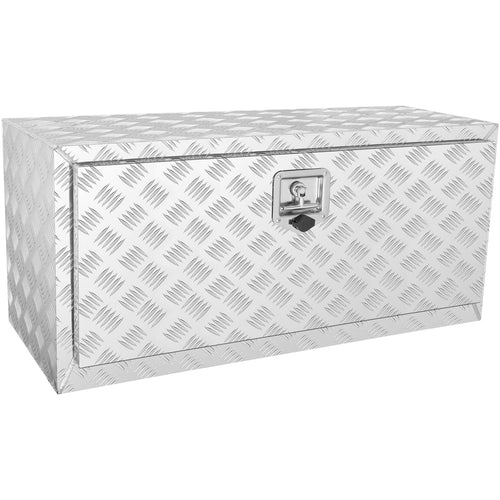
For a code instead of a key, the Portable Combination Safe ($18.99) has a steel cable you loop around something fixed, so the box can't be carried off to be opened later. The Mini Cash Box ($14.99) locks with a key and comes with two. For a bigger float, papers and keys, the Combination Cash Box (Large) ($34.99) has a lift-out tray. None of the three is fireproof: they're steel locking boxes that stop a grab-and-go, not rated safes.
A fireproof bag for papers you can't replace
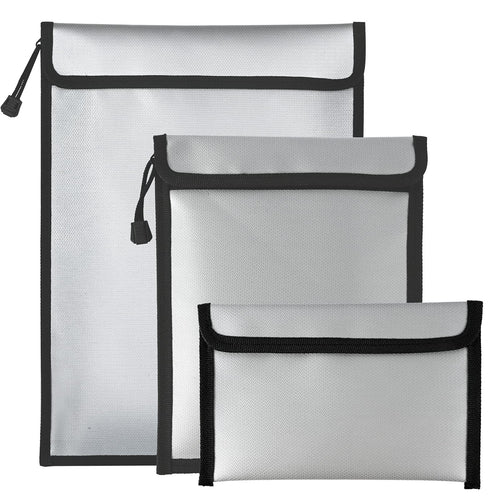
The Fireproof & Water-Resistant Document Bags are three sizes for $29.99: a large sleeve for deeds and folders, a mid-size for passports and certificates, and a small pouch for drives and keys. The cloth is silicone-coated fiberglass rated to about 2000F, and the zipper holds back spray and standing water, not hours underwater. Keep it low and near your way out, not in the attic. What goes in it, pile by pile, is in our fireproof bag checklist.
A book that isn't one
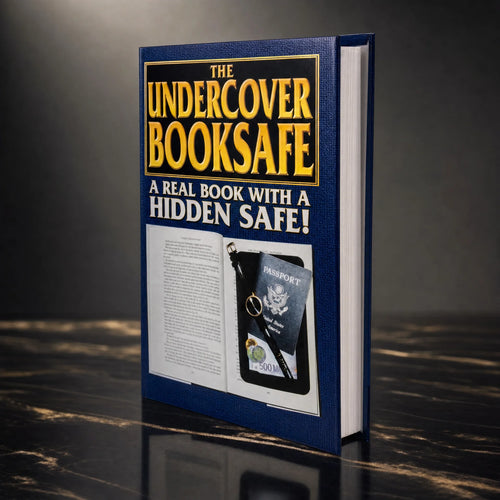
The Diversion Safe ($19.99) is a weighted hardcover with a foam-lined hollow, sized for a cash reserve, a watch or a spare key. It has no lock. Its only protection is that nobody recognizes it, so shelve it among real books in a room that isn't the bedroom. The rooms a hurried search hits first are mapped in where do burglars look first.
A locking chest for medication
Sometimes the risk is a curious child or a guest, not a thief. The Locking Drawer Chest ($79.99) has four lined drawers that all lock with one key: pills in the top drawer, papers and spare cash in the next, jewelry and keys lower down.
Put an alarm on the box
The TremShield alarm isn't only for windows. It sticks to any smooth solid surface, a safe, a cash box lid, a metal drawer chest, a closet door, and sounds 125 dB when someone knocks or pries at it. Stick it on the top or the side, set the sensitivity dial, and switch it off before you open the box yourself.
That makes the box loud at the one moment it matters. It's still the second line, though. The windows and doors a stranger would come through come first, and the same alarm does that job on the glass.
An afternoon to sort it all
Valuables reset, one afternoon
- Gather every document, cash stash and small valuable onto one table.
- Scan passports, IDs, the deed and car titles to a drive and a cloud folder.
- Load the originals into the fireproof bags, by size.
- Move cash and spare keys out of the bedroom into a locked box or the diversion safe.
- Lock medication in a drawer a child can't open.
- Photograph jewelry and save serial numbers for insurance.
- Tell one trusted person where the fireproof bag lives.
- Stick an alarm on the box, switch it on, and tap it to test.
Cash and papers at home: short answers
Where is the safest place to keep cash at home?
In a locked box or a diversion safe outside the bedroom, and only a small amount, in small bills. FEMA's Ready.gov advises keeping a small amount of cash at home in a safe place, because ATMs and cards may not work after a disaster.
Is a cash box fireproof?
No. TremShield's cash boxes are steel locking boxes that stop casual theft; they are not rated fireproof or waterproof. Keep papers you can't replace in a fireproof, water-resistant document bag.
Should original documents stay at home or in a safe deposit box?
Keep originals you need often, like passports, at home in a fireproof bag, and keep scans on a drive or in the cloud. Ready.gov lists a safety deposit box, an external drive or the cloud as places to store important documents.
Can I put an alarm on a safe?
Yes. The TremShield Vibration Alarm sticks to any smooth solid surface, including a safe or a metal cash box, and sounds 125 dB when someone knocks or pries at it. Switch it off before you open the box yourself.
Does a diversion safe lock?
No. It's a weighted hollow book with no lock, and it protects by not looking like a safe. Use it for a cash reserve or a spare key, not for documents that also need fire protection.
The box is the second line. The glass is the first.
Put $99 into six TremShield alarms, $16.50 per alarm compared with $29.99 for one (the pack saves $80.94): five for the windows and doors someone could reach from outside, and one on the box. The 6-pack comes with two free no-drill window locks and the Home Security Guide, ships free to the US, Canada, the UK, Australia and New Zealand, and returns are open for 30 days.
Back to all articles