In this article
Hosting means handing strangers the keys to a place you care about. That is not a flaw in the business; it is the business, and it works because both sides mostly get to forget security is even a question. Guests settle in, reviews stay warm, and your belongings sit exactly where you left them.
Getting there takes less than the hosting forums suggest. Airbnb host security comes down to three moves: build one locked owner's closet for everything that is yours, run the same ten-point checklist at every turnover, and follow Airbnb's monitoring rules exactly, cameras outdoors and disclosed, alarms armed only between stays, nothing recording indoors.
The setup is one honest afternoon. The upkeep is about fifteen minutes per turnover. This guide covers both, plus the camera rules that quietly made compliance simpler in 2024, and the small touches that turn "felt safe" into a phrase your reviews keep repeating.
The owner's closet: one locked door for everything that is yours
Scattered hiding spots are how hosts lose things. A drill on the garage shelf, a spare laptop in a dresser, insurance papers in a kitchen cabinet: each one is something a well-meaning guest can stumble into or bury under their own belongings. An owner's closet replaces all of it with one clean boundary. Behind this door is the host's; everything else is yours to use.
Build it once, in this order:
- Pick a boring closet, never the primary. Guests want the primary closet for their own clothes, so claiming it reads as a downgrade. It is also the worst vault in the house: when a Portland TV station asked 86 convicted burglars how they worked, most said they went straight for the primary bedroom. (More on that habit in where burglars look first.) A hallway, laundry, or under-stair closet is ideal: central, unglamorous, invisible.
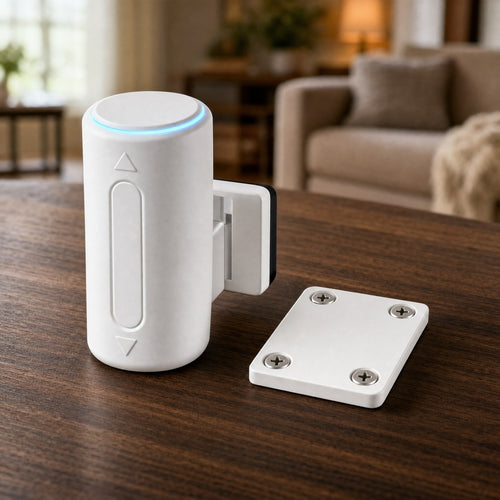
- Put real hardware on the closet door. The builder latch on an interior door is a suggestion. A door reinforcement lock anchors into the framing with real screws and turns the door into a stated boundary: nobody opens it by accident, and nobody opens it casually. An interior door is never a bank vault, and for guests who booked with their names attached it does not need to be. The lock makes entry deliberate; the containers inside do the guarding.
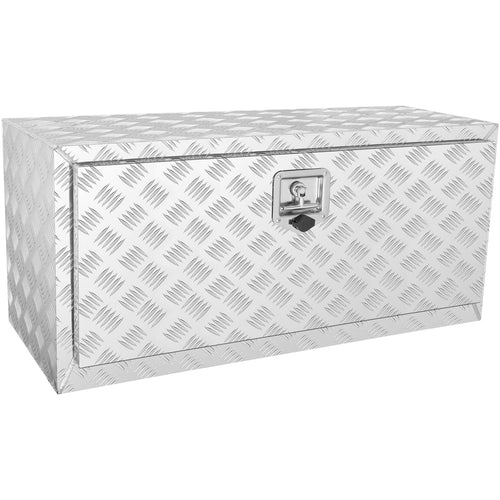
- Set a lockable trunk inside for the big things. A lockable storage trunk, 39 inches of diamond-plate aluminum that locks shut over everything inside, takes the power tools, the tech, the seasonal gear, and anything you would hate to explain a scratch on.
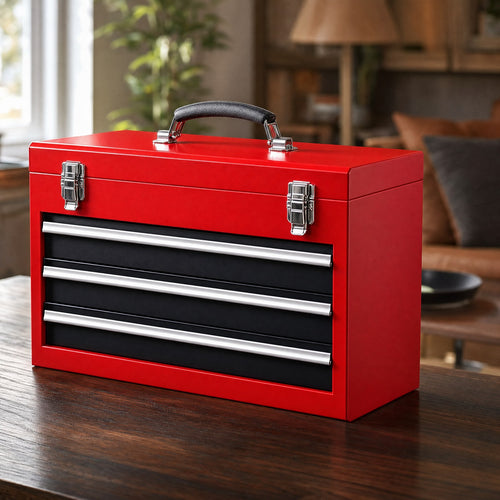
- Add a locking drawer chest for the small things. A locking drawer chest gives you four lined drawers behind one key: one for consumables inventory (bulbs, batteries, coffee, travel-size toiletries), one for spares (chargers, remotes, backup keys), one for the small valuables that used to float around the nightstands. It sits on a shelf beside the stacked linens, and restocking becomes a thirty-second count instead of a scavenger hunt.
- Label it dull, or not at all. "Supplies" invites no curiosity. Never label anything "OWNER: VALUABLES"; a label like that is a map with an X on it. The best owner's closet is beneath notice.

Every locked-storage piece, from trunks and chests to cash boxes and document bags, lives in the safes and secure storage collection if you want to size the parts to your property.
The 10-point turnover checklist
Turnover is where a rental's security actually happens, in the quiet stretch between one checkout and the next arrival. Run these ten points in the same order every time and the routine stops requiring thought.
- Note anything moved. First pass, before you touch a thing. Furniture drifts and decor migrates; you are not hunting for wrongdoing, just keeping your mental map of the house accurate.
- Photograph condition. A one-minute phone sweep of each room, same angles every time. If a damage claim ever matters, this timestamped habit is the whole case.
- Test every lock. Front door, back door, the owner's closet, the trunk and chest inside it. Throw each one and feel it seat.
- Check window latches. Guests open windows and forget them. Walk every room, press each sash closed, flip each latch.
- Count keys. However many you issued, that many come back to the hook or lockbox. If one is missing, you want to know today, not two guests from now.
- Reset the entry code, if you use one. Keypad code rotated between stays, old code dead. Thirty seconds, and a past guest's code stops being a key.
- Walk the perimeter. Gates latched, exterior lights working, ladders and tools put away, nothing leaning against the house.
- Restock from the drawer chest. Bulbs, batteries, toiletries, coffee. Because the inventory lives in one locked place, the count doubles as a quiet audit you never have to think about.
- Confirm smoke and CO detectors. Press the test button on each. It protects your guests and your listing in less time than reading this sentence.
- Arm the between-stay alarms on your way out. Only when the calendar shows a gap. If the next guest arrives in an hour, skip it.
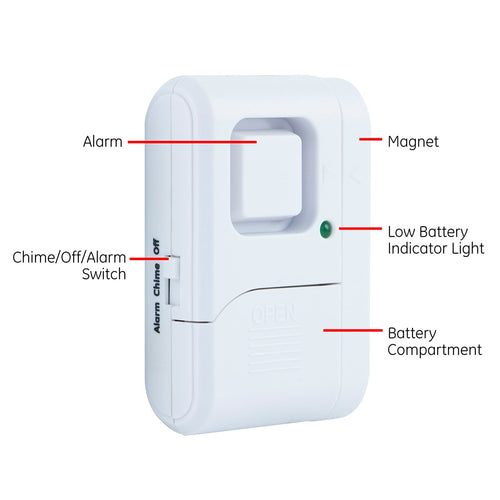
That last point deserves a word. Between bookings, your rental is simply an empty house, and empty houses do well with noise on the entrances. A door and window entry alarm 4-pack covers the front door, back door, and slider: two-piece magnetic sensors that stick on in seconds, run on batteries, and need no Wi-Fi, app, hub, or subscription. Arm them as you leave; disarm when you return to flip the house. If the gap stretches past a weekend, borrow the empty-home playbook from our vacation security guide, and if you are unsure which alarm suits which opening, the alarm finder sorts it out in about a minute.
Airbnb's camera and alarm rules, in plain English
The monitoring rules are short, and they are friendlier to hosts than the forum anxiety suggests. Under a policy that took effect April 30, 2024, Airbnb bans indoor security cameras entirely: hosts are not allowed to have security cameras or recording devices that monitor any part of the home's interior, and that includes cameras that are turned off. Outdoor cameras and doorbell cameras are allowed on one condition: their location must be disclosed in your listing description. Noise decibel monitors are allowed indoors with disclosure, but never in bedrooms, bathrooms, or sleeping areas, and they must not record audio. The full policy is a two-minute read and remains current.
Read the bright line as protection, not restriction. You never have to judge what counts as reasonable monitoring or defend a gray-zone gadget in a dispute, and when a nervous guest asks, you have a one-sentence answer: nothing records indoors, ever, and the doorbell camera is right there in the listing. Clear rules are why travelers keep trusting a platform built on sleeping in other people's homes, and that trust is what your calendar runs on.
Alarms follow the same spirit. Entry alarms and monitoring belong to the empty house: armed between stays, never while guests are in residence. An alarm that goes off on a guest stepping onto the porch at midnight costs more than anything it could ever save, and a guest who feels watched will say so publicly. While guests are under the roof, the only security in operation is the kind they control from the inside. The house protects itself when it is empty, and leaves people alone when it is not.
What makes guests feel safe, and why it fills your calendar
Guest security is the other half of host security, and it is the half that pays. Guests do not experience your property as a listing; they experience it as a front door at 11 p.m. in an unfamiliar town. Three physical details decide how that moment feels.
First, working locks they control. A deadbolt with an inside thumb turn on the main door is the baseline. A quietly excellent extra is a portable travel door lock left in the entryway drawer with a short note: it braces an inward-swinging door from the inside with no tools and no marks, and solo travelers in particular sleep better behind a lock nobody else has a key to. It is a small gesture that reads as care rather than fear.
Second, a door that closes with confidence. The deadbolt guests have to jiggle, the slider that needs a lift and a shove: hardware like that tells a guest the house is not quite looked after, and they quietly extend the judgment to everything else. Tighten the hinge screws, align the strike, and make the main door latch in one motion. Guests read the whole property through that one action.
Third, a card with the essentials, propped where the coffee lives: the property's street address, your number, and the nearest urgent care. Nobody can direct help, or a pizza, to an address they never learned. It costs a laminated index card, and it tells every guest someone thought about them before they arrived.
The payoff lands in reviews. "Felt safe" is the sentence solo travelers, parents, and first-time renters scan for, and it gets written by guests who never had to think about safety at all. For the view from the other side of the door, our guest-side safety kit guide shows what careful travelers pack, a fair preview of what your guests will notice.
Frequently asked questions
Are indoor security cameras allowed in an Airbnb?
No. Under a policy effective April 30, 2024, Airbnb bans indoor security cameras entirely: hosts are not allowed to have cameras or recording devices that monitor any part of the home's interior, even devices that are turned off. Outdoor and doorbell cameras are allowed only if their location is disclosed in the listing description. Noise decibel monitors are allowed indoors with disclosure, but not in bedrooms, bathrooms, or sleeping areas, and they must not record audio.
Can I arm door alarms while guests are staying?
No. Entry alarms belong to the gaps between bookings, never to an occupied home. An alarm sounding on a guest who steps outside at midnight treats a paying guest like a suspect, and guests should never feel monitored in a space they rented. Between stays the logic flips: the house is empty, so battery-powered entry alarms on the doors protect it the way they would protect any vacant home, then disarm before the next check-in.
What is the best owner's closet lock?
The best owner's closet lock is a door reinforcement lock anchored into the framing with real screws, replacing the builder latch interior doors come with. Be realistic about its job: an interior door is a boundary, not a vault. The lock makes entering the closet a deliberate act instead of an accident, and the real protection sits inside it, a locked metal trunk for large items and a locking drawer chest for small ones, so the door never carries the whole load.
How do I secure a vacation rental between bookings?
Run the same short routine at every turnover: note anything moved, photograph the home's condition, test every lock, check window latches, count keys, rotate the entry code if you use a keypad, walk the perimeter, restock supplies, press the test button on smoke and CO detectors, and arm entry alarms on the doors as you leave. For gaps longer than a few days, add timed lighting so the home keeps its lived-in look.
Back to all articles