In this article
To keep your home safe while you're on vacation, make it look lived in from the street (mail held, lamps on timers, a car in the driveway, a neighbor in and out) and make it loud and slow to get into if someone tests it anyway: every opening locked, the slider braced, and an alarm on the glass that sounds whether or not you're home. Most of that takes one afternoon the week before you go.
The loud part is where we come in. The TremShield Vibration Alarm is a thin disc that sticks to the inside of a window or door and fires a 125 dB siren when someone pries or strikes it. It runs with no Wi-Fi, app or subscription, so there's nothing to set up from a hotel room and nothing that bills you while you're gone. The rest of this page is the trip plan, in the order you'll do it.
How long are you gone? What changes with the trip
A weekend away and three weeks abroad need different lists. Find your row, then work down the page.
| Trip | What gives it away | What to add |
|---|---|---|
| Weekend (2 to 3 nights) | A dark house both evenings, a package on the step | Lamp timers, a neighbor who grabs packages, alarms armed, every window locked |
| One week | A full mailbox, bins left at the curb, the same blinds every day | Everything above, plus a mail hold, a neighbor who puts the bins out and back, and a house watch request if your police department offers one |
| Two weeks or more | A long lawn, an empty driveway, a stack of flyers | Everything above, plus a mow booked, a car in the driveway now and then, and a key the neighbor can reach without one under the mat |
One week out: the parts that need someone else
Anything that depends on another person or a shipping box goes first. Done early, the rest is light work.
- Hold the mail and packages. USPS Hold Mail keeps mail at the post office for 3 to 30 days and delivers the batch when you're back, and you can set it up online. Pause or reroute any orders due while you're away. Our guide to stopping package theft lists the free hold options for each carrier.
- Ask about a house watch. Many police departments and sheriff's offices will drive past a registered home while the owners are away. It varies by town, so check your department's website or call the non-emergency line.
- Book the lawn if you're gone more than two weeks. A long front yard is one of the plainest signs nobody is home.
- Order what you're missing now. Alarms, timers and locks need a few days to arrive and a day to settle in. An alarm's adhesive needs a day to bond before you count on it, so don't fit them the night before the flight.
Video: How you can have police check on your house while you're away on vacation, WKYC Channel 3 on YouTube.
The report above follows one Ohio department's vacation house watch program. Yours may run differently, or not at all, so ask before you count on it.
Brief your neighbor in five lines
A neighbor who knows what to look for does more than most gadgets. Send them one text with these five things, so nobody has to guess while you're out of reach:
- Your dates, out and back.
- Who is allowed at the house: the lawn service, a pet sitter, nobody else.
- What your alarms sound like. A 125 dB siren from inside a closed house is unmistakable once you've heard it. Set one off for them before you go, so a real one turns into a phone call to the police instead of a shrug.
- Where packages and bins go.
- How to get in if they must. Not a key under the mat or in the planter, which are the first places anyone looks. A wall-mount key lock box ($29.99) holds a key behind a four-digit code you set, needs no battery or app, and lets you change the code once you're home.
Make the house look lived in
Bureau of Justice Statistics figures show a household member was present in 28% of burglaries, so most happen when nobody is home. In a University of North Carolina at Charlotte survey of 422 incarcerated burglars, 41% described most of their break-ins as spur of the moment, and only about 12% usually planned ahead. A decision made on the spot is made from the street, on what the house shows: light, movement, mail, a car.
- Lamps on timers in two rooms, set to slightly different evening hours. One porch light burning around the clock reads as nobody home just as clearly as darkness.
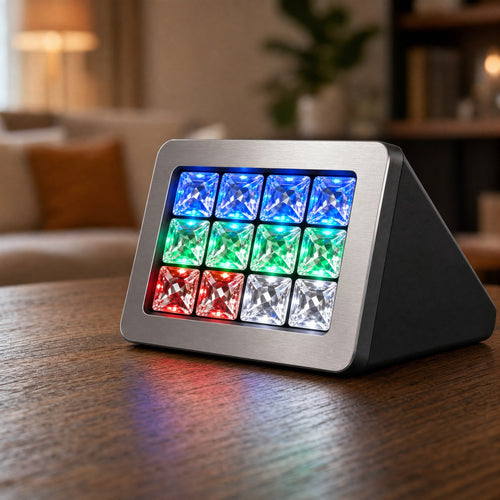
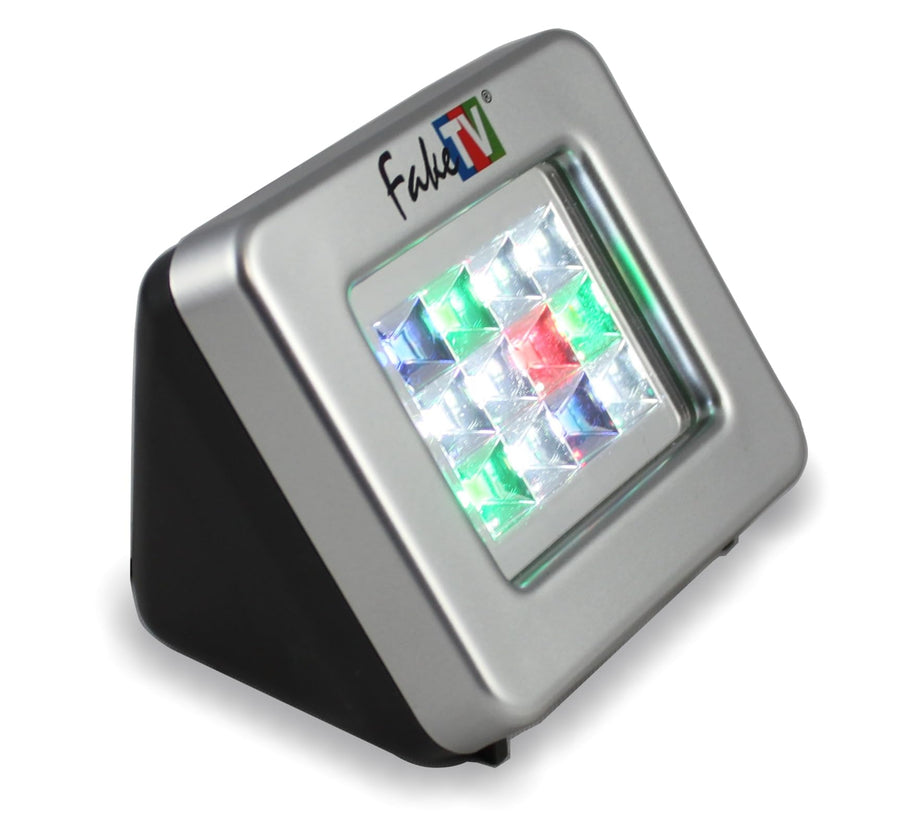
- Flicker in a front room. A TV simulator switches on at dusk with its own light sensor and off 4 or 7 hours later, so it runs every night of the trip without you. What burglars say about a lit TV, and where the trick falls short, is in our fake TV light article.
- Blinds where they always are. Two weeks of fully closed blinds looks wrong. Leave them as you would on a workday.
- A car in the driveway some of the time, yours or the neighbor's.
- Light at the dark side of the house. A solar motion light over a side gate or back door charges by day and lights up when something moves, with no wiring.
Hold the vacation photos until you're home. A live post is a public, dated note that the house is empty, and friends of friends is a wider circle than it feels.
The day before: lock it, brace it, arm it
Looking occupied keeps most people walking. This part is for the one who tries anyway.
- Walk every window and door, lock each one, and tug it. If a latch won't catch, our window that won't lock fixes run from free to $19.99.
- Brace the slider. The Adjustable Door Security Bar ($34.99) lies in the patio door track so the panel can't slide even if the latch is beaten.
- Pin the garage door. A garage door slide latch ($29.99 for two) bolts the big door to its tracks from inside, so throw both latches and leave by the house door. Our garage door guide covers the opener and the side door.
- Put alarms on the glass a stranger could reach. Ground-floor windows, the back door, the slider, any pane hidden from the street. Peel, press, switch on, then knock the glass to hear it fire. Away from home, the siren's job is to make staying inside unbearable and to bring the neighbor you briefed to the window. What happens in the minutes after one goes off is covered in what happens when a window alarm goes off.
- Clear the sightlines. Laptops, jewelry and spare car keys out of view from every window.
Not sure how many alarms that is? Count the openings here and see the price for your number:
The morning you leave
Give yourself ten unhurried minutes. Rushing this part is how garage doors get left open. Tick each one as you go; the list remembers where you got to.
Departure-morning sweep
- Trash out, perishables gone
- Every exterior door locked, including the door from the garage into the house
- Slider bar in the track
- Garage door down and both slide latches thrown
- Every window alarm switched on
- Lamp timers and TV simulator plugged in and set
- Blinds in their usual workday positions
- Spare key in the lock box, nowhere else
- Last text to the neighbor: dates, packages, what the alarm sounds like
The come-home check
Before you pull in, look at the front of the house: door, windows, garage. Inside, walk each exterior door and ground-floor window, then switch off the alarms. If something looks wrong from the outside, a broken pane or a door you know you locked standing open, don't go in. Call the police from the car and let them clear the house first.
Then post the photos, reset the timers, and change the lock box code. The alarms, locks and bar stay where they are for the next trip, ready, with no subscription to pause or restart.
Before you lock up and leave: quick answers
Should I leave lights on the whole time I'm away?
No. A light burning around the clock reads as an empty house as clearly as darkness does. Put lamps in two rooms on outlet timers set to slightly different evening hours, so the house goes dark at bedtime like an occupied one.
Will the police check on my house while I'm on vacation?
Many US police departments and sheriff's offices run a vacation house watch, where officers drive past a registered home while the owners are away. Not every town offers it, so check your department's website or call its non-emergency line before you go.
Where should I leave a spare key for a neighbor or pet sitter?
In a wall-mount key lock box with a code you set, not under the mat or in a planter, which are the first places anyone looks. Mount it out of casual view, give the code only to the person who needs it, and change the code when you're home.
Do window alarms help if nobody is home to hear them?
Yes. A 125 dB siren inside a closed house makes staying in unbearable and draws attention from the street, so it works on the intruder even with you away. It calls nobody by itself, so tell a neighbor what it sounds like and ask them to phone the police if they hear it.
Should I lock the garage door before a trip?
Yes, beyond the opener. A garage door slide latch bolts the big door to its tracks from inside, so throw both latches and leave through the house door. Lock the door from the garage into the house as well.
Arm the house before the trip
Before you leave, each ground-floor pane someone could get to from outside should have an alarm on it. One TremShield alarm is $29.99. The 6-pack is $99, $16.50 per alarm, $80.94 less than six singles, and the box adds two free no-drill window locks plus the Home Security Guide by email. Free shipping to the US, Canada, the UK, Australia and New Zealand, 30-day returns. Order it the week before, fit the alarms the day after it lands, and switch them all on as you lock the door to leave.
Back to all articles