In this article
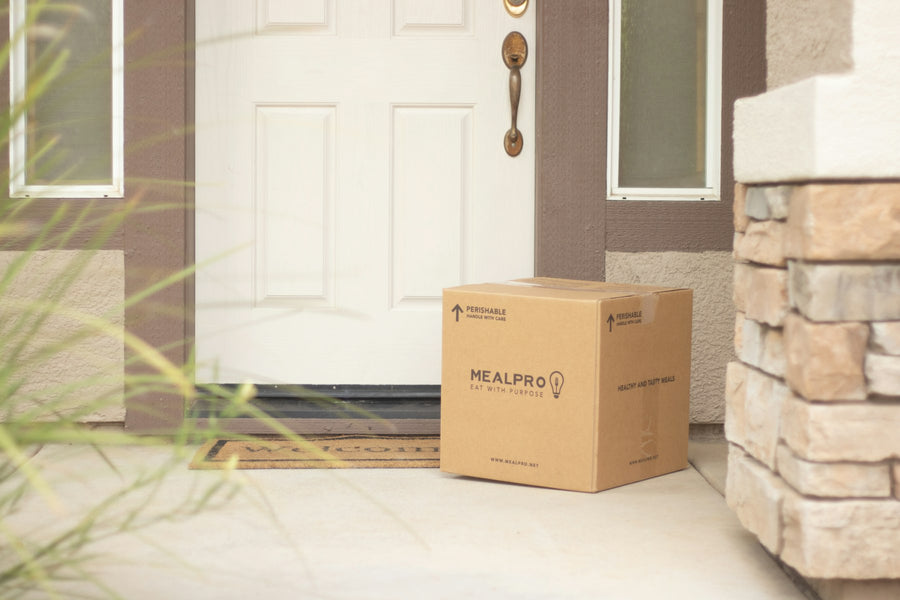
Finding an empty porch where a package should be is a small, sour moment, and none of it was aimed at you. In Security.org's Package Theft Annual Report, an October 2025 survey of 3,307 US adults, one in four Americans said they have had a package stolen at some point, and the average stolen package was worth about $222. Theft that widespread is not someone watching your house, just passing opportunism aimed at whatever box happens to be visible.
The way to prevent package theft is to shorten the time a box sits unattended. Reroute deliveries you know you will miss, get alerted the minute one lands, make your porch a less obvious stop, and use the refund path when something does vanish. Most of these fixes are free.
This guide is that plan as a hierarchy: four steps, ordered from most effective to most familiar. Work down the list and stop when the problem stops. On the way: a table of the free interception tools the major US carriers already run, and the exact recovery script for a box that is already gone. It covers the box on the step; the doors and windows behind it are a separate job, the one the TremShield vibration alarm does, and the last answer at the bottom explains the difference.
Package theft prevention at a glance
| Fix | Cost | Works best when |
|---|---|---|
| Send it to a locker or a hold counter | Free | Nobody will be home on delivery day |
| Schedule delivery for a day you are home | Free, sometimes slower shipping | Someone can bring the box in |
| Turn on carrier delivery alerts | Free | You can reach the door within minutes |
| A driveway alarm that chimes inside | $34.99, one time | Someone is home but busy, upstairs, or on a call |
| A hidden drop spot in the delivery instructions | Free | The box has to sit out for a while |
| Motion light, camera, warning sign | One-time purchase | Alongside rerouting or alerts, not instead of them |
Why the holidays are the hard part
Package theft follows the delivery count, and the delivery count climbs every fall. In the same Security.org survey, adults expected about 25 packages each between October and December, twice as many as in an average three-month stretch. More boxes means more afternoons with one on the step, and December's early sunsets put the late drops in the dark.
Where you live shifts the odds too. The report found people in apartments and condos more than three times as likely to have a package stolen as people in single-family homes. A shared lobby or hallway puts many boxes in one place.
Three changes for the season:
- Send gift orders to a locker or a hold counter from step 1 by default, and keep home delivery for small, everyday items.
- Spread big orders over days when someone is home, so several boxes never land on the same empty afternoon.
- Light the doorstep for evening drops. A solar motion security light needs no wiring and switches on only when someone walks up.
Step 1: Reroute so nothing waits on the porch
The strongest package defense is an empty porch, because a box that never sits out cannot be taken. Every major delivery network now runs a free program built for exactly this, and enrolling in all four takes about ten minutes from the couch.
For everyday orders, change where the box lands rather than how you shop. Amazon Hub Lockers cost nothing extra at checkout and hold a package for three days; miss the window and the order goes back automatically for a refund, so the failure mode is your money returned, not a box in the rain. UPS holds packages for free pickup at Access Point counters inside nearby stores for up to seven calendar days. FedEx Delivery Manager includes free hold-at-location pickup on the same idea, also up to seven days. You collect the box on the drive home, and the porch never enters the story.
For trips, pause instead. USPS Hold Mail keeps mail and packages at the post office for 3 to 30 days and delivers the batch when you return, and FedEx Delivery Manager includes a free vacation hold. A stack of boxes by the door is one of the loudest empty-house signals a home can send, which is why rerouting also opens our vacation security checklist.
| Carrier | Free tool | What it does |
|---|---|---|
| USPS | Informed Delivery and Hold Mail | Free previews and alerts for incoming mail and packages; Hold Mail pauses delivery at the post office for 3 to 30 days. |
| UPS | UPS My Choice and Access Point | Free basic membership with delivery alerts; packages held at Access Point locations up to 7 calendar days at no charge. Automatic rerouting of every delivery is a paid upgrade. |
| FedEx | FedEx Delivery Manager | Free signup with delivery alerts, a free vacation hold, and free hold-at-location pickup, held up to 7 days. |
| Amazon | Amazon Hub Locker | Ships to a secure locker at no additional cost; packages wait 3 days, then return automatically for a refund. |
Feature details are as each carrier publishes them in 2026; skim the current terms when you enroll. Three of these signups also power the next step.
Step 2: Receive deliveries in minutes, not hours
When a box must come to your door, the goal is a short porch window: minutes between the drop and your hands instead of an unattended afternoon.
Start with timing you already control. Point big-ticket orders at days someone is home, even when that means picking the slower shipping option that lands on a Saturday. Then let the carrier announce the moment of arrival: Informed Delivery, UPS My Choice, and FedEx Delivery Manager each push a delivered alert, which turns "out for delivery" into "on the mat right now."
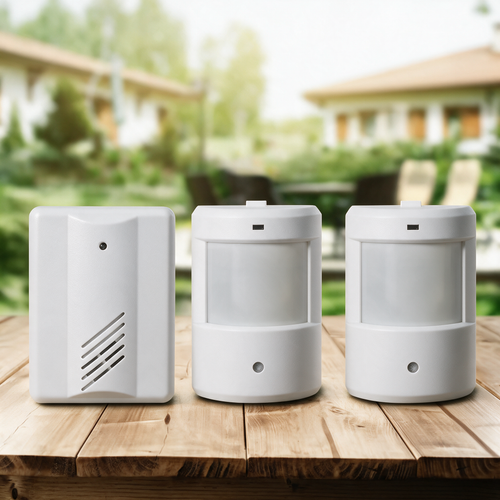
Phones miss things, though. An alert lands silently in a pocket, a meeting runs long, and the box logs an hour outside anyway. The fix is a chime you cannot miss: a wireless driveway alarm places a weatherproof, battery-powered motion sensor on the front walk or driveway and rings a receiver inside the moment anyone approaches. It is a doorbell the courier does not have to press. There is no Wi-Fi, app, hub, or subscription behind it, so there is no account to lapse; swap the batteries now and then and it keeps chiming. One limit: it helps only while someone is home, which is why it sits below rerouting in this hierarchy.
If you are weighing a driveway chime against entry alarms or a vibration alarm for the rest of the house, the interactive alarm finder sorts it in about a minute.
Step 3: Deter the passing porch pirate
Deterrence lowers the odds that a thief picks your porch; it does not lower them to zero. Visible signals still earn their keep, but as step three rather than step one.
The cheapest fix is placement. Every carrier app from step 1 includes a delivery-instructions field. Use it to ask for boxes behind a porch column, a planter, or a bench, out of the sightline of the street. A package that cannot be spotted from a slowly passing car stops advertising itself.
- Light the doorstep. Lighting carries real evidence: in a randomized New York City experiment published through the National Bureau of Economic Research, temporary streetlights added to public-housing developments cut nighttime outdoor crime by at least 36 percent. Most deliveries land in daylight, so treat light as cover for evening drops and dark doorsteps rather than a force field. A three-head solar motion security light covers the door, the path, and the driveway with no wiring at all.
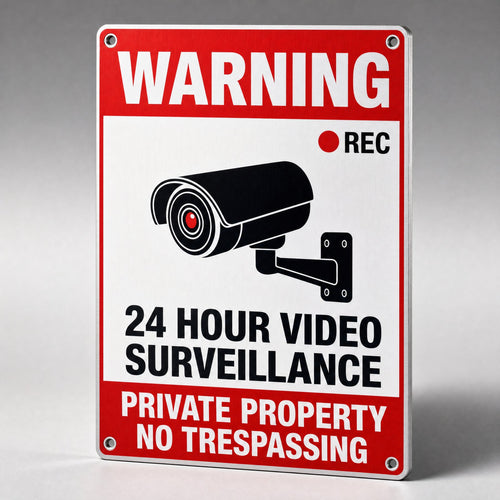
- Signal that the address pays attention. A weatherproof metal 24-hour surveillance warning sign by the porch steps, plus a camera presence mounted where a courier would see it, whether a real doorbell unit or a fake security camera, says one thing: this home notices.
- Know what props can do. No rigorous study shows signs or decoy cameras working on their own, and a real, disclosed camera beats a fake one. Props add friction only alongside the other fixes; our honest answer on fake cameras and signs lays out the full evidence picture.
The logic is the same one that redirects burglars, who consistently prefer places that look unwatched; our guide to what actually deters burglars walks through that research. And the props above live together in the burglar deterrents collection.
What other households use to prevent package theft
Security.org also asked what people already do. These were the most common answers, and the top one is not a gadget.
| Method | Share who use it |
|---|---|
| Schedule shipments for when someone is home | 46% |
| Doorbell camera | 34% |
| Outdoor camera with motion detection | 28% |
| Shop in store or pick up in store | 26% |
| Neighbors bring packages inside | 17% |
| Motion-activated or smart lights | 17% |
| Ship to an access point or another address | 14% |
| None of these | 12% |
People could pick more than one answer, and the list shows what people use, not what works best. On that question the report's security advisor, retired SWAT commander Gene Petrino, is direct: "Thieves can't steal what they can't see." A camera can make a porch look watched and help identify a thief; taking the box off the porch removes the target.
Step 4: Recover your money when a box disappears
If a package is already gone, skip the despair scroll and start the script, because the person who decides how this ends is usually a retailer, not a thief. In the same Security.org survey, 64 percent of victims reported the theft to the store or company and 62 percent contacted the carrier, and a replacement or refund from the retailer is the typical remedy.
- Seller first. Open the order, choose the "item did not arrive" option, and attach the delivery-confirmation photo if the app shows one. Ask directly for a replacement or a refund.
- Carrier second. If the seller stalls, file a missing-package claim with the tracking number. The alerts you set up in step 1 double as your paper trail here.
- Card third. If both stall, dispute the charge; many cards include purchase protection for items that never arrived.
- Police report, if asked. Some retailers and insurers want a report number before paying out. Filing is usually a short online form that quietly improves your neighborhood's data, and it obligates you to chase nothing.
Then spend one evening making a rerun unlikely: the four free signups, one saved delivery instruction that hides the drop spot, and, if someone is usually home, a chime that announces the courier. Package theft is common, impersonal, and, once you shorten the porch window, mostly a solved problem at your address.
When the porch keeps losing boxes
What if packages keep getting stolen from the same porch?
Stop letting them land on the porch: send orders to a locker or a hold-at-location counter, and pause deliveries with Hold Mail when you travel. A repeat theft means a box keeps sitting where it can be seen, so taking the box off the porch removes the reason to come back.
How far from the house can a driveway alarm sensor go?
The TremShield driveway alarm's sensors talk to the indoor chime from up to about 400 feet with a clear line of sight, and walls or metal shorten that. Motion is detected out to about 24 feet, so set each sensor low, between 1 and 3 feet up, aimed across the walkway rather than at the street.
Can a driveway alarm cover the porch and a side gate at once?
Yes. The TremShield kit comes with two weather-resistant sensors and one plug-in chime, so the front walk and a second approach are covered from the first day, and the receiver can pair with more sensors later.
Do doorbell cameras stop package theft?
Not on their own. About a third of the Americans in Security.org's 2025 survey use one, and a visible camera can make a porch look watched and help identify a thief. The surest fix is still taking the box off the porch with a locker, a hold counter, or a delivery day when someone is home.
Are apartments more at risk of package theft?
Yes. Security.org's 2025 report found people in apartments and condos more than three times as likely to have a package stolen as people in single-family homes. A delivery locker, a hold-at-location counter, or a building package room keeps boxes out of shared hallways.
Will a vibration alarm protect packages on the porch?
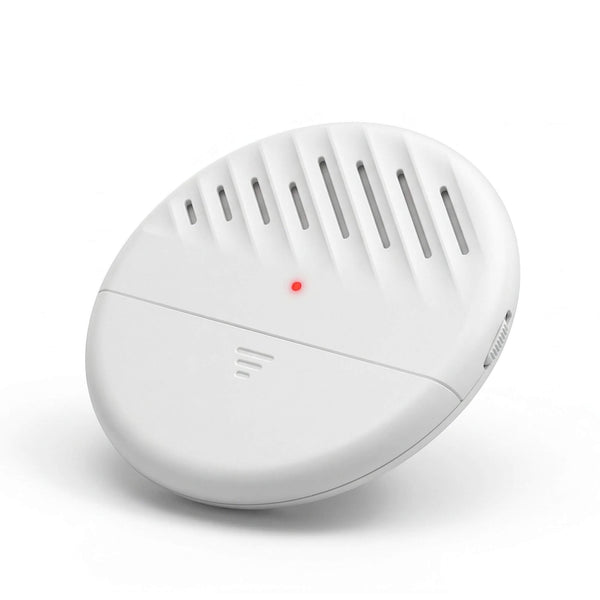
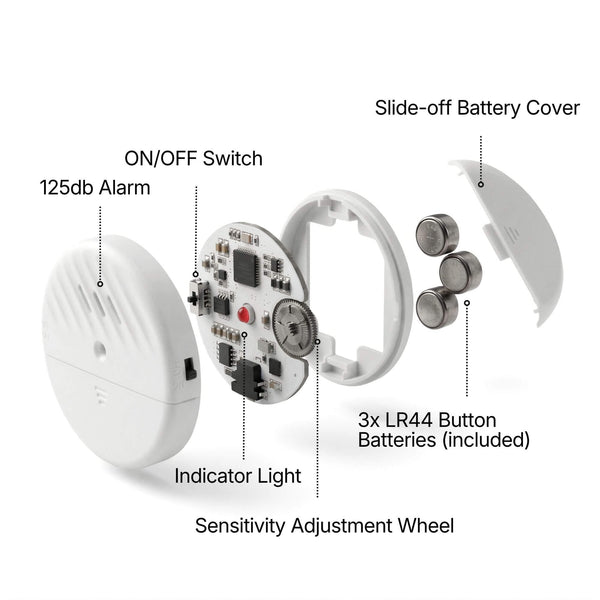
No. The TremShield Vibration Alarm guards glass and doors, sounding at 125 dB when someone pries or strikes them, so it protects the house rather than a box on the step. Six of them for the reachable windows and doors run $99 in total, $16.50 apiece where a single costs $29.99, and the pack saves $80.94.
Back to all articles