In this article
Yes, window alarms work, as long as you are clear about what "work" means. They do not physically stop a window from being forced. What they do is take away the two things a burglar needs most, silence and time, and the best research we have on burglar behavior suggests that is often enough to send them elsewhere.
If you have ever pressed a thumb-sized alarm onto your window and wondered whether it would really do anything during a break-in, you are asking exactly the right question. It looks almost too simple to matter, and nobody wants a false sense of security.
Below is that evidence, the way a vibration alarm interrupts an attempt before anyone is inside, and the limits, stated plainly. Then you can stop wondering.
What burglars themselves say about alarms
The most useful evidence does not come from marketing pages. It comes from researchers who sat down with convicted burglars and asked them how they picked targets.

A widely cited University of North Carolina at Charlotte survey asked hundreds of incarcerated burglars how they decided on a target. Most said they checked for signs of an alarm before attempting a break-in, and a majority said that discovering one would make them pick a different house.
The reason is simple once you picture how residential burglary happens. Most break-ins are quick and opportunistic. The person trying a window is not planning a movie heist. They want a quiet entry, a few undisturbed minutes, a clean exit. Anything that creates noise and draws eyes destroys that plan.
One caveat worth stating plainly: no study shows that any alarm makes a home untouchable, and you should be skeptical of anyone who claims otherwise. What the research supports is a more modest and more useful conclusion. Alarms change the math, and when the math changes, most intruders leave.
How do window alarms work? Entry sensors vs vibration alarms
Not all window alarms trigger at the same moment, and that timing matters more than almost any number on the box.
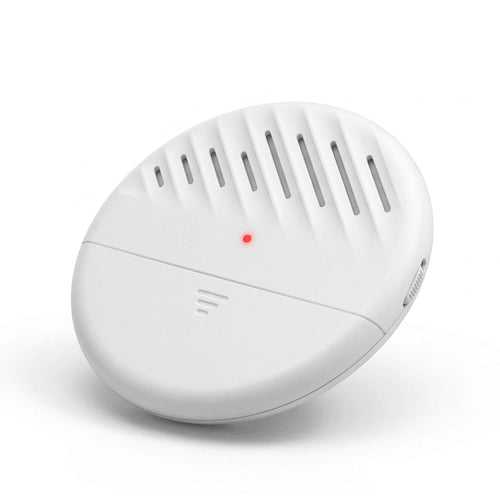
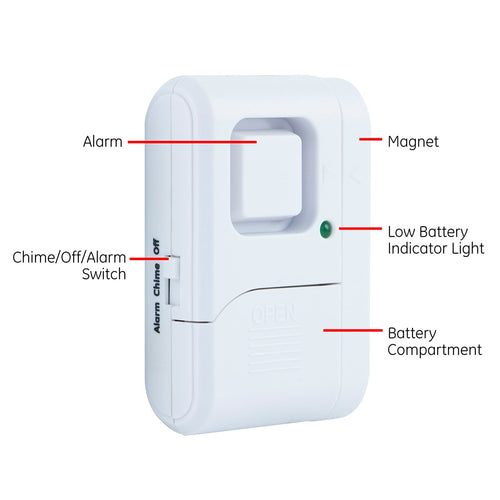
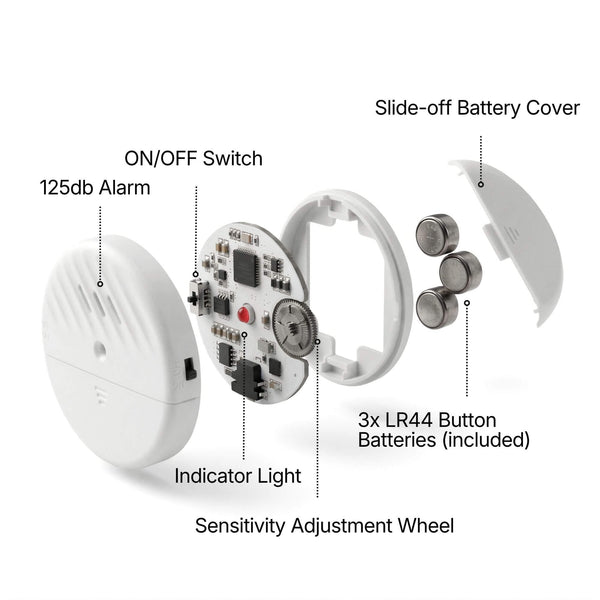
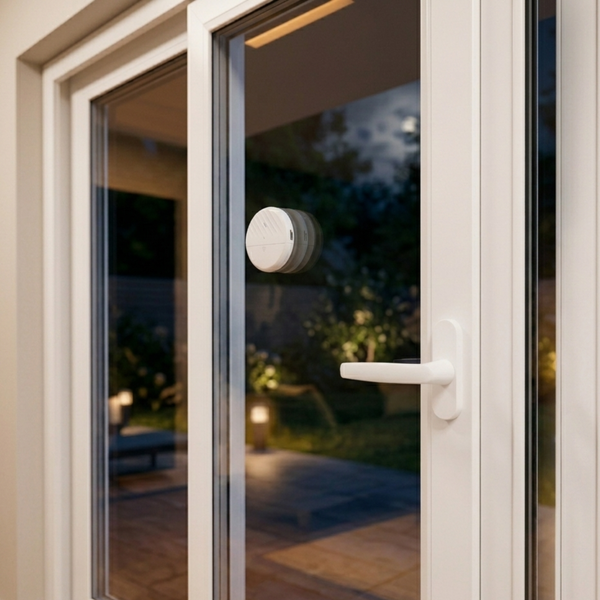
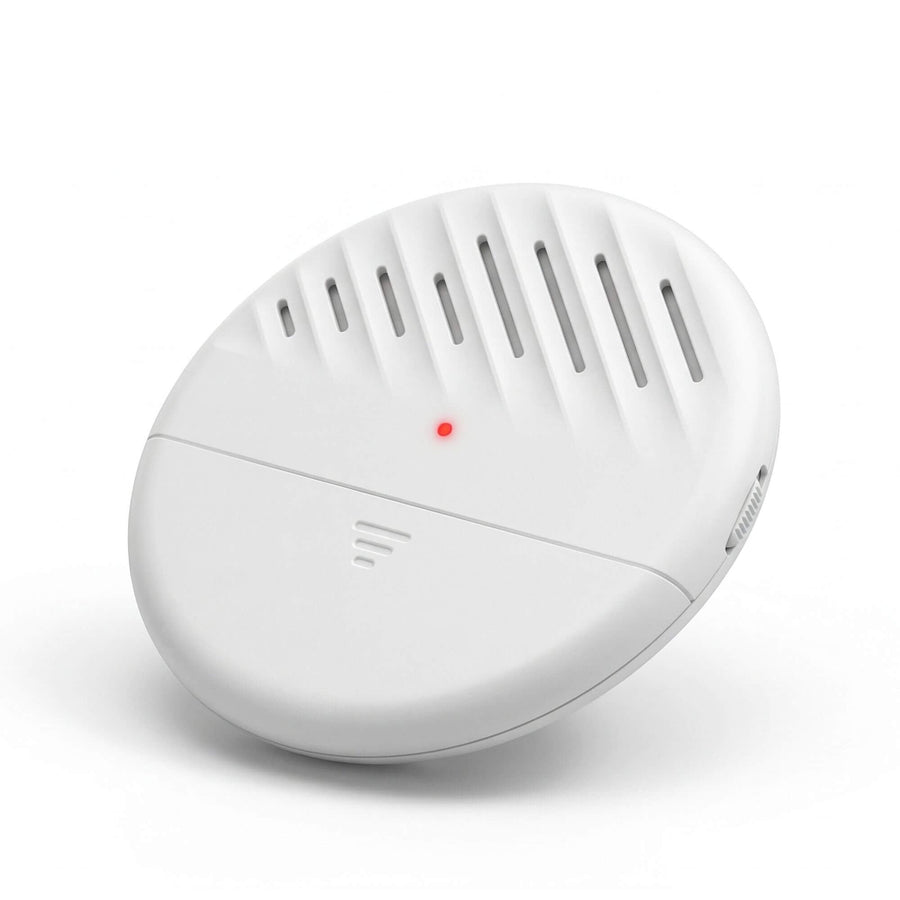
A traditional entry sensor sounds when the window opens. Useful, but by then the latch or the glass has already given way. A vibration alarm like the TremShield vibration sensor alarm works one step earlier. It sticks directly to the glass and reacts to the shaking, the prying, the impact of the attempt itself. If you are choosing between the two types, vibration alarm or entry alarm sorts out which one each window needs.
That one step changes the entire encounter:
- The intruder tests or strikes the glass, and a 125 decibel siren erupts instantly, right where they are standing.
- They are still outside. Nothing has been gained yet, so walking away costs them nothing.
- The sound marks the exact window under attack, waking the household and drawing the attention of anyone nearby.

Because the whole strategy of a break-in depends on staying unnoticed, an alarm screaming during the attempt, rather than after the entry, flips the situation at the moment the intruder is most willing to quit.
What window alarms do well, and what they cannot do
To trust a tool, you need its real job description.
What a good window alarm does well:
- Deters before contact. A visible alarm on the glass signals that this window is a bad choice, which is often where the story ends.
- Interrupts attempts in progress. Instant, painful noise at close range is a powerful reason to abandon a half-finished break-in.
- Wakes and warns you. While it is still happening, at the exact window involved.
- Covers many windows affordably. Battery power and peel-and-stick mounting mean you can protect a whole floor without wiring, Wi-Fi, apps, or monthly fees.
What it cannot do:
- It cannot physically hold a window shut. It is a sensor and a siren, not a lock.
- It cannot call the police on its own. It alerts people; people respond.
- It cannot help you if the battery is dead or the unit is switched off, so a quick monthly test matters.
A vibration alarm deters and warns. It does not guarantee. Framed that way, it earns its spot.
What to pair a window alarm with
No single device covers a window, and none has to. Each piece only needs to do one job.
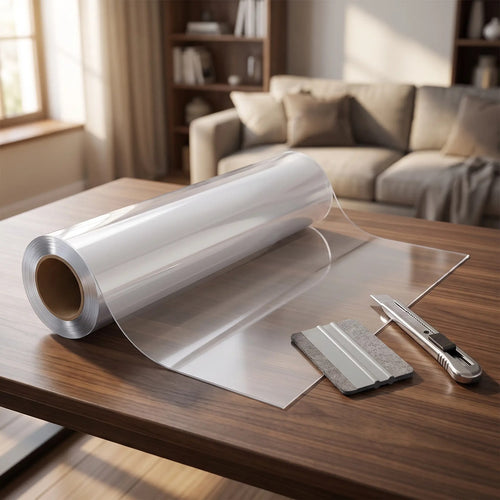
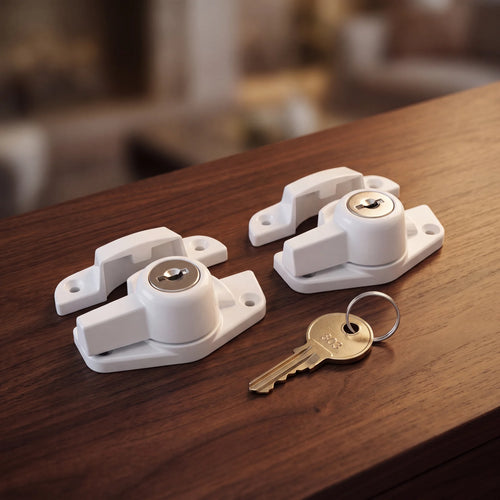
The alarm's job is noise and attention. Pair it with something that resists force, such as window security film that holds shattered glass together and slows a smash entry, and solid locks on every sash. Then make the window easy to see, with outdoor lighting and trimmed shrubs, so nobody can work at your window unseen.
Each piece makes the others count. The film buys time, the alarm fills that time with a 125 decibel siren, and the lighting means everyone nearby can see the source. Our guide to burglar-proofing windows without bars walks through the full stack, and the window security collection gathers the individual pieces in one place.
Picture how the pieces divide the work on an ordinary night. The lock does the holding, so any attempt has to escalate to force, and the vibration alarm answers that force before the frame gives an inch. Lights are on inside within seconds, the noise is impossible to place as anything innocent, and the quiet, private moment the whole plan depended on is gone. Nothing dramatic happened, which is exactly the point. The system worked because the attempt ended at the glass.
That is also why the "do they work" question has a simpler answer than it first appears. You are not betting everything on one gadget. You are asking one inexpensive device to do one job, make noise at the right moment, inside a setup where every piece covers the others.
Getting the most out of a window alarm
A few small habits turn a good device into a dependable one.
- Prioritize hidden windows first. Ground-floor windows behind fences, garages, and shrubs are the ones out of sight, so alarm those before the visible ones.
- Mount on clean glass, not the frame. Vibration sensors read the glass itself. Wipe the surface, press firmly, and give the adhesive a day to cure.
- Tune the sensitivity. Set it high enough to catch prying and impact, low enough to ignore a passing truck. One evening of adjustment is usually all it takes.
- Make arming a routine. Tie it to locking up at night. The TremShield unit arms in seconds, so the habit is easy to keep.
- Test monthly. A ten-second check confirms the battery and the siren, and keeps your trust in the device realistic rather than assumed.
If you are unsure which alarm type suits each spot in your home, the interactive alarm finder matches devices to windows, doors, and glass in about a minute, and seven alarms, seven jobs compares every one side by side.
Before the first alarm goes on the glass
Where should a vibration alarm go on the window?
On the inside of the pane, on clean, dry glass near the latch, since that is where a window gets pried or struck. Keep it on the glass rather than the frame so it reads the vibration directly, and use one alarm per pane you want covered.
Does a window alarm still work in a power cut or with no internet?
A battery-powered standalone alarm does. The TremShield runs on LR44 batteries with no Wi-Fi, app or hub, so an outage or a dead router changes nothing. The trade is that it sounds in the house and does not send an alert to your phone.
Do burglar alarms work if nobody is home to hear them?
Partly. A 125 dB siren at the glass still tells the person outside that the window is now loud and noticed, but a standalone alarm calls no one. If the house is often empty, tell a neighbor what the sound means.
Can I put window alarms up in a rental?
Yes. Nothing gets drilled or wired. The alarm peels away cleanly at the end of the lease and moves with you.
What do window alarms cost for a whole floor?
A single alarm is $29.99. Six cost $99 together, or $16.50 apiece, and the six-pack ships with two no-drill window locks and the Home Security Guide.
Starting with the window that worries you
If one window worries you more than the rest, start there, then cover the other panes a stranger could reach. Each TremShield Vibration Alarm goes on in about a minute, with nothing to connect: no Wi-Fi, no app, no monthly bill. The six-pack at $99 covers six windows at $16.50 per alarm, $80.94 less than six singles at $29.99, and adds two free no-drill window locks plus the Home Security Guide as an emailed PDF. Pick up the six-pack and put the first one on that window tonight. It ships free to the US, Canada, the UK, Australia and New Zealand, and you have 30 days to return it.
Back to all articles