In this article
If you have ever stood in the hardware aisle holding a fake camera and a security sign, wondering whether they are clever protection or a waste of twelve dollars, you are asking exactly the right question. It is a smart, practical thing to wonder about, and you deserve a straight answer instead of a sales pitch. So here it is, plainly: deterrents work, but only for the job they are actually good at. Let us walk through what that job is, where the limits are, and how to set things up so your home feels calmer and genuinely safer.

What deterrence really does
Deterrence is not about stopping a break-in by force. It is about changing a decision. Most burglaries are not dramatic, planned events. They are quick, opportunistic choices made by someone looking for the path of least resistance. The goal of a deterrent is to make your home look like more effort, more risk, and more noise than the next house on the street.
That framing matters, because it tells you what to expect. A good deterrent is a quiet message that says, "This one is not worth it." When that message lands, the person moves on before anything happens at all. That is the calm, everyday win you are actually buying.
In a University of North Carolina at Charlotte study of convicted burglars, most said they would avoid a home showing signs of an alarm, and many said they would leave if one started to sound.
Read that again, because it is genuinely reassuring. The people most likely to target a home told researchers, in their own words, that visible signs of security push them away, and that a sounding alarm sends them out the door. Your goal is simply to send that signal clearly and back it with something real.
What actually works (and why)
Here are the deterrents that earn their place, along with what each one is honestly good at.
Security warning signs
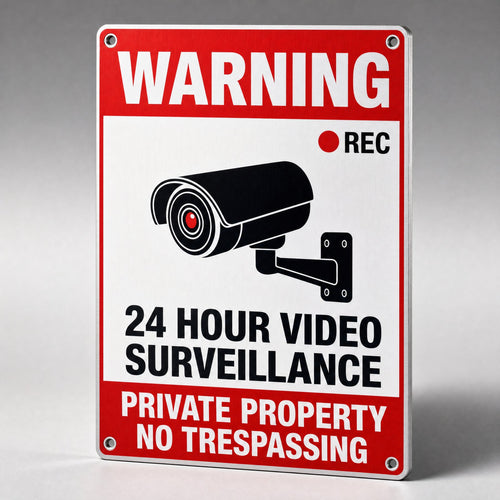
A clear, well-placed warning sign is one of the cheapest, most effective signals you can send. It does not need to be wired to anything. It just needs to be seen from the street and the front walk. A 24-Hour Surveillance Warning Sign tells a passing opportunist that this home is paying attention, before they ever set foot on the property.
A convincing decoy camera
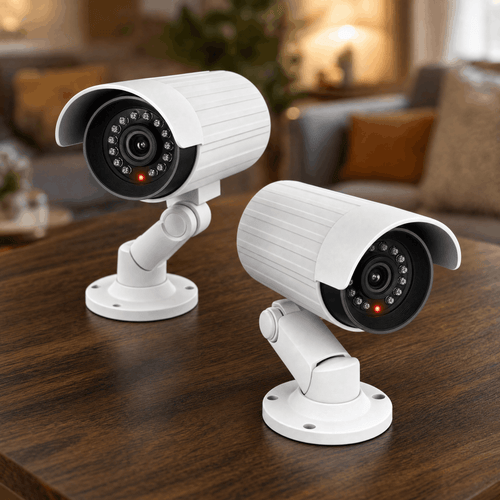
A camera, real or not, reads as one thing to someone scanning for an easy target: "I might be recorded here." A realistic Fake Security Camera 2-Pack mounted at eye-catching corners adds visible risk for zero monthly cost. The key word is convincing. Cheap, obviously-fake units with blinking red lights and dangling wires can do more harm than good, so choose ones that look the part and mount them like you mean it.
A lived-in, occupied look
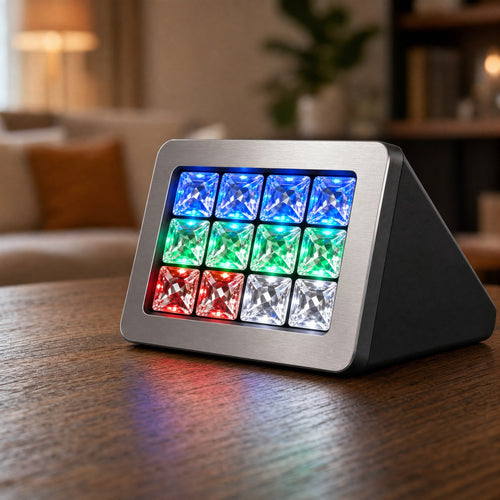
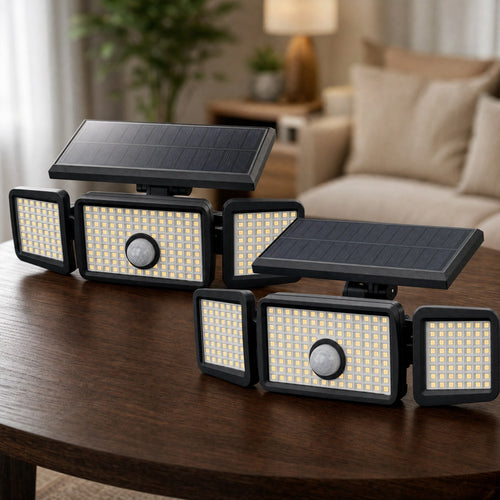
An empty-looking home is an invitation. An occupied-looking one is a deterrent. The single most natural signal of "someone is home" is the flicker of a television at night. A Fake TV Simulator mimics that glow on a timer, so your living room reads as occupied even when you are out for the evening or away for the weekend. Pair it with a couple of interior lights on smart timers and a motion-activated light over the entry, and your home quietly tells anyone watching that this is not the empty house they were hoping for.
Good locks and basic light
None of the above replaces solid locks and decent exterior lighting. Deterrents redirect attention. Locks hold the line. A deadbolt that actually engages and a lit entryway are the unglamorous foundation everything else sits on.
The honest limits
This is the part most sellers skip, and it is the part that should earn your trust. Deterrents are not a security system. Here is the truth in plain terms.
- They turn away opportunists, not professionals. A determined, experienced person can tell a decoy from the real thing and will not be fooled by a sign alone.
- They record nothing. A fake camera has no footage. If something does happen, it gives you no evidence and the police no lead.
- They do nothing once someone is inside. A sign in the yard cannot warn you, wake you, or make a sound. Its whole job ends at the property line.
So the honest scorecard is this: deterrents are a genuinely effective, low-cost top layer against the most common kind of break-in. They are not, and were never meant to be, the whole plan.
Why pairing deterrence with a real alarm is the smart play
This is where it all comes together, and where you can stop worrying and feel in control. Think of home security in layers. Deterrents redirect, locks hold, and an alarm warns. Each layer covers the gap left by the one before it.
Deterrents handle the front of the funnel by turning away the easy, opportunistic attempts before they start. But for the small fraction who test the door anyway, you want something real that responds. That is exactly what the TremShield Alarm does. It sticks to a door or window, senses the vibration of tampering or forced entry, and sounds at roughly 125 decibels. Remember the study: most burglars said they leave when an alarm sounds. The sign suggested there might be an alarm. The alarm proves it.
What makes this combination feel calm rather than complicated is its simplicity. No Wi-Fi, no app, no subscription, no wiring. You set up your deterrents to send the signal, you add a real alarm to back it up, and you are done. More than 1,500 homes are protected this way, with an average rating of 4.8 stars and nothing to pay every month.
If you want to assemble that top layer in one pass, our burglar deterrents collection brings the signs, decoy cameras, and fake-TV simulator together, so you can build a convincing, lived-in look and pair it with an alarm that actually responds.
Frequently asked questions
Are fake security cameras illegal?
For deterrence on your own residential property, decoy cameras are generally legal to use across the US. They simply signal that recording may be happening. The honest caveat is that they do not record, so do not rely on one for evidence.
Will a security sign work if I do not actually have a system?
A sign alone can still turn away an opportunist, because it raises the perceived risk. But it works far better when it is true. The most trustworthy and effective approach is to put up the sign and back it with a real alarm, so the deterrent and the response match.
What is the cheapest way to make a real difference?
Start with the basics that cost the least and signal the most: a warning sign, a motion light over the entry, and a lived-in look from a TV simulator and timed lights. Then add a self-contained alarm on your most vulnerable door or window. That layered setup covers both the deciding moment and the entry attempt without a monthly bill.
Do I still need real locks if I have deterrents and an alarm?
Yes, and they are non-negotiable. Deterrents redirect and alarms warn, but locks are what physically hold a door shut. A properly engaged deadbolt is the quiet foundation that makes every other layer worth having.
Here is the calm bottom line. Fake cameras and security signs really do work against the most common break-ins, the quick opportunistic ones that make up the bulk of the risk. They will not fool a professional and they record nothing, which is exactly why they belong on top of something real rather than standing in for it. Set up your deterrents to send a clear signal, keep your locks solid, and add a simple alarm that responds. That is a complete, honest plan, and it is one you can put in place this weekend.
Back to all articles