In this article
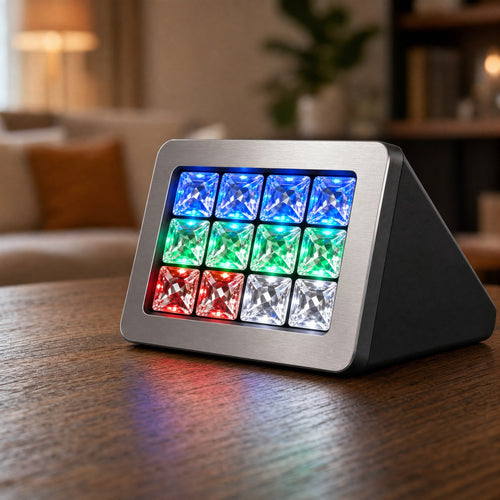
You’ve probably seen the gadget: a small box that flickers blue and white against your curtains at night, pretending to be a television. Under $30, no wiring, no app. If you’ve hovered over the buy button wondering is this a gimmick?, you’re asking the right question.
It isn’t, quite. This is one of the few cheap tricks with real evidence behind it. It just can’t be your whole plan.
What burglars say about a TV that’s on
The best evidence here doesn’t come from a lab. It comes from asking the people who did the breaking in.
When the investigative team at Portland’s KGW News surveyed 86 convicted burglars about how they picked their targets, one theme kept surfacing: sound or light that suggested a person inside ended the visit before it started. Most said that if they heard a radio or saw a television on, they assumed someone was home and moved on. One inmate’s own advice to homeowners: “keep lights, TVs and radios on when you leave your home.”
That squares with what offender research has said for years. The everyday burglar is an opportunist. He wants an empty house and a quiet exit, not a meeting.
So a fake TV actually works?
As an occupancy cue, yes, it earns its keep. From the sidewalk, through curtains or blinds, a good simulator throws the same shifting glow a real screen does, scene changes and color shifts included. After dark, an outsider can’t tell the difference. And it does all this for pennies of electricity, switching itself on at dusk instead of asking you to remember.

Where it falls short (read this part too)
Three limits worth knowing before you set one up:
- Daylight blunts it. The glow reads at dusk and after dark. Plenty of break-ins happen in broad daylight, when a lit window proves nothing at all.
- It doesn’t survive real surveillance. Someone who watches your street for a week, or already knows your schedule, won’t be fooled by a glow that performs while the driveway stays empty.
- It has no second act. If someone tests the window anyway, the simulator has nothing left to say. A bluff that gets called is just decoration.
How to set one up so it reads as “someone’s home”
- Aim it at fabric, not at the street. The glow should land on curtains or blinds. A bare gadget sitting on the sill gives the whole trick away.
- Pick the believable room. The living room, an upstairs bedroom, wherever your household would genuinely be watching at night.
- Stagger it with a lamp on its own cheap timer. A second light makes the house feel lived-in rather than programmed. And keep the rhythm human: roughly-seven-to-eleven beats exactly-seven-to-eleven, every night, forever.
The honest pairing: back the bluff with a voice
Across everything that demonstrably deters burglars, the same pattern holds: visible cues turn away the opportunist majority, and a loud response handles the few who test anyway. A simulator covers the first half.
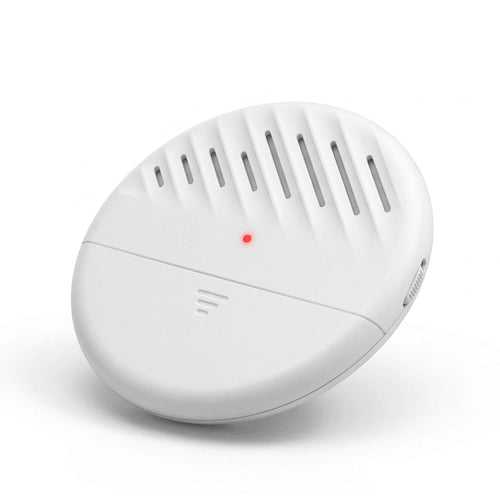
For the second half, press a vibration alarm ($29.99) onto the glass of your most likely window. If anyone pries or strikes the pane, a 125-decibel siren answers on the spot. No Wi-Fi, no subscription; the sensitivity dial ignores everyday traffic and wind, and the install takes about a minute. It’s the difference between looking occupied and sounding defended.
Decoy cameras and yard signs raise the same question, and we gave them the same honest treatment in a separate guide.
Bottom line
A fake TV light is a rare thing: a $30 gadget with an offender-backed idea behind it. Let it do the job it’s good at, which is making your home read occupied after dark, and give it a backstop that makes noise if the bluff gets tested. Put one simulator in the room you'd be watching and an alarm on every reachable window: the TremShield six-pack is $99, $16.50 an alarm, with two free no-drill window locks, no app or account behind it and nothing to drill. Together they cover both halves of how burglars decide.
Back to all articles