In this article
Doors get kicked in because the frame gives way, not the lock. The strike plate your deadbolt sits in is usually held by two short screws in a thin strip of soft trim, so the wood splits and the door swings open with the bolt still out. Drive 3-inch screws through that plate into the stud behind the trim and the most effective fix is done, for a few dollars and about ten minutes.
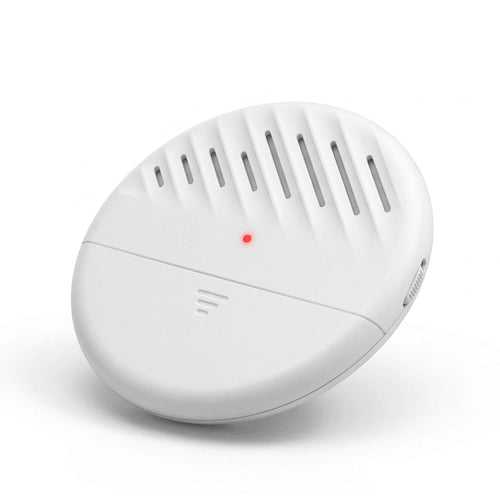
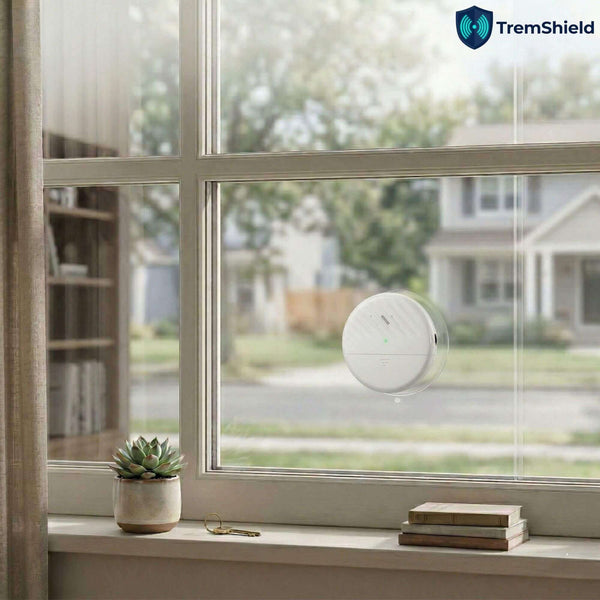
This page shows what breaks, how to check your own door without kicking it, and which fix answers each weak spot. And if you can't drill, a TremShield alarm sticks to the door in about a minute and sounds 125 dB at the first hard strike.

What breaks when a door is kicked in
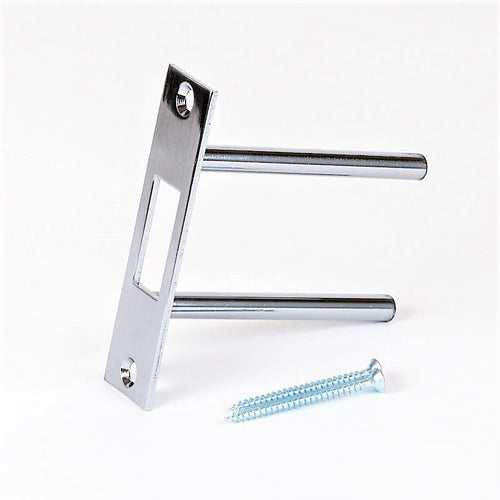
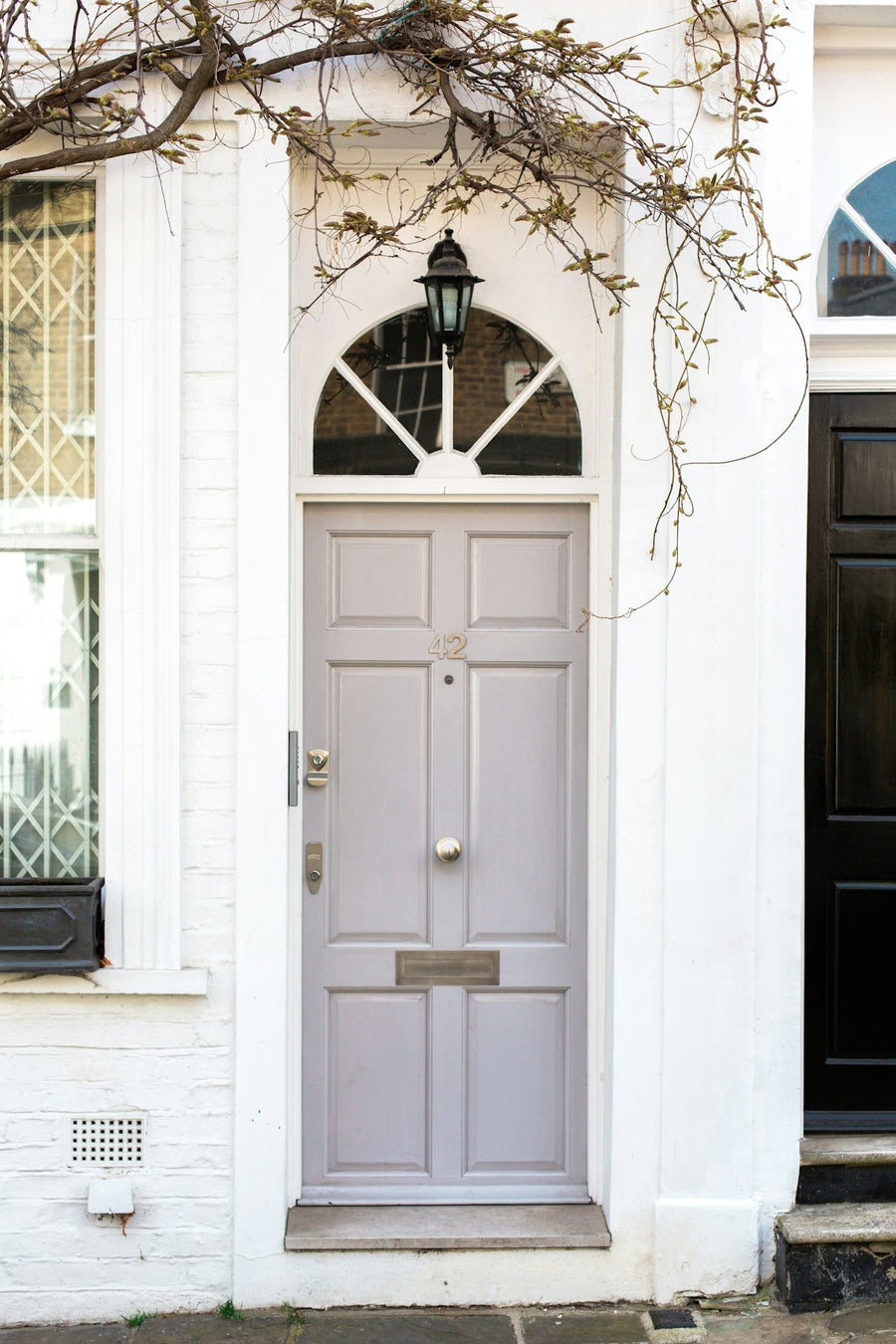
A kick lands on the lock side of the door and all of it goes into one small spot: the strike plate, the metal plate in the frame that the bolt slides into. On many doors that plate is held by two screws an inch long or less. They stop in the trim, a strip of soft wood with a gap behind it. The trim splits along the screws, the plate tears out with it, and the deadbolt rides through still locked.
Short screws hold the plate to trim. Three-inch screws pass through the trim and the gap behind it into the wall stud, so a kick now has to break the house framing instead of a strip of molding.
Video: How Secure Is Your Front Door? | Keep Your Family Safe With This Quick Tip, Everyday Home Repairs on YouTube.
According to its description, the video replaces the short screws in a deadbolt strike plate with two 3-inch #10 construction screws.
Two more spots fail the same way. The hinges are often mounted with short screws too, so a hard kick can tear the hinge side. And the door itself matters: a hollow-core door can break before its frame does, and glass within an arm's reach of the lock lets someone skip the kick entirely and reach the thumb turn.
The 10-minute door check
You need a screwdriver and a tape measure.
Check your own door, no kicking required
- Open the door and back out one screw from the deadbolt strike plate. Measure it.
- Back out one screw from the top hinge and measure that too.
- With the door open, turn the deadbolt and watch it extend all the way.
- Close and lock the door. A stiff key or a bolt that stops short means the strike is out of line.
- Push and pull the locked door near the lock. Visible play means the bolt barely catches.
- Knock on the face of the door. A hollow, drum-like sound means a hollow-core door.
- Look for glass within an arm's reach of the lock or thumb turn.
- Check the frame around the strike for old splits or filled cracks.
What each result means, and the fix
| What you found | What it means | The fix |
|---|---|---|
| Strike screws shorter than 3 inches | A kick only has to split the trim | A Door Strike Plate Kit ($24.99): a heavy-gauge plate and six 3-inch screws into the stud. Your deadbolt stays. |
| Short hinge screws | The hinge side can tear out instead | Swap screws on the hinge nearest the lock for 3-inch ones. The strike plate kit includes the long screws for it. |
| Bolt stops short, binds, or the locked door has play | The bolt barely enters the frame | Line up the strike so the bolt extends fully. Fitting a new plate is the moment to do it. |
| Old splits around the strike | The wood is already weak where the kick lands | Repair the split, then fit a wider plate with long screws to spread the load across more wood. |
| Hollow-sounding door | The door can fail before the frame | A solid-core door is the real fix. Meanwhile, brace it with the Adjustable Door Security Bar ($34.99) from under the handle to the floor. |
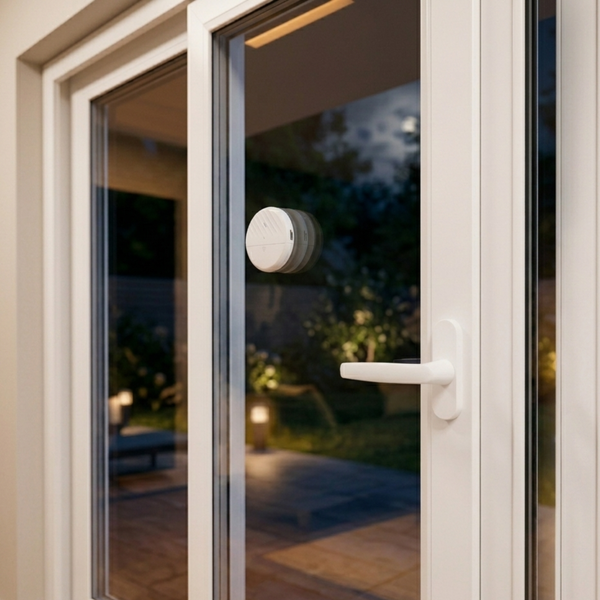
| Glass near the lock | Someone can break the pane and reach in | An alarm on that glass sounds at the first strike. More options in our back door guide. |
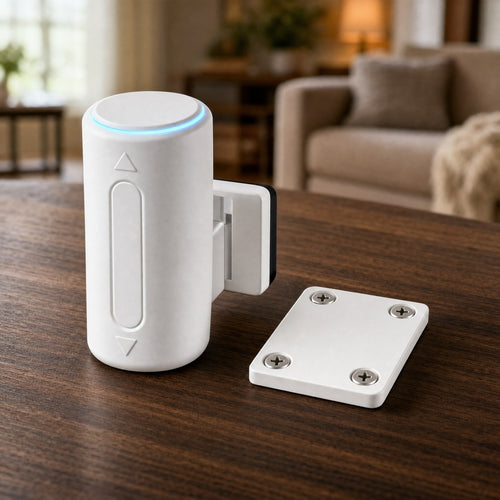
| You rent and can't drill | Screws in the frame need the landlord's yes | The door bar and a Door Stop Alarm ($16.99) for an inward-opening door. No tools, both move with you. |
Want a second hold on the frame as well? A Door Reinforcement Lock ($24.99) mounts beside the deadbolt with a few screws and braces the door shut on its own, so a picked lock or a bump key won't open it. For every door device ranked by what it stops, see door security devices, ranked.
Video: How To Make Your Door Kick-In Proof Like A TANK! Keep Your Family & Home SAFE!, Fix This House on YouTube.
This longer video's description lists a reinforced strike plate, a reinforcement lock and 3-inch door screws, the full version of the upgrade in the table.
Why not just buy a stronger deadbolt?
Because the deadbolt is rarely the part that breaks. A heavier bolt seated in the same plate and the same short screws still rides out with the trim. Fix the frame first, and the deadbolt you already own does its job.
Then make the door loud
A reinforced frame holds longer. Noise is what sends someone away. In a University of North Carolina at Charlotte survey of 422 incarcerated burglars, about 60% said an alarm would send them looking for a different target.
An entry alarm only sounds once the door is open, which on a kicked door is too late. The TremShield alarm works earlier: it sticks to the face of the door or the glass beside it and sounds 125 dB when it feels the vibration of a strike or a pry. A kick is loud for a second and easy to mistake for a slammed door. A siren that keeps going is not.
Kick-in questions, answered short
How do I stop my door from being kicked in?
Screw the deadbolt's strike plate through the trim into the framing behind it with 3-inch screws, ideally under a heavy-gauge plate, and put long screws in the hinge nearest the lock. That fixes the frame, the part that splits when a door is kicked.
Do I need a new deadbolt?
No. The strike plate kit works with standard residential deadbolts and keeps your existing lock and handle. It only replaces the plate the bolt catches on, plus the screws holding it.
How long does the strike plate upgrade take?
About ten minutes with a drill. A hand screwdriver works too, but driving 3-inch screws into framing takes real effort, so drill small pilot holes if the wood is dense.
What can I do if I rent and can't drill?
Brace an inward-opening door with an adjustable door security bar wedged between the handle and the floor, and add a door stop alarm that sounds when the door is pushed. Neither needs tools, and you can still ask your landlord about the strike plate kit.
Start with the strike plate tonight
The strike plate is the fix that matters most, and the Door Strike Plate Kit is $24.99. Then give the doors and the glass around them a voice. Six TremShield alarms cost $99. That's $16.50 per alarm, where one on its own is $29.99, and the pack saves $80.94: enough for the front door, the back door, the patio slider and the windows facing the yard. The 6-pack comes with two free no-drill window locks and the Home Security Guide, ships free, and returns are open for 30 days.
Back to all articles