In this article
If your sliding glass door has ever made you pause on your way out, you are not imagining things, and you are not being paranoid. A slider is a big sheet of glass held shut by one small latch, so it makes sense that it draws the eye. The good news is that this is one of the most reassuring problems in home security: a sliding door is also one of the easiest weak points to solve, and you can usually handle it in a single quiet afternoon. Let's walk through why a slider feels vulnerable, the few specific ways one actually gets opened, and the simple, concrete fix for each.

Why a Sliding Door Feels Like the Weak Spot
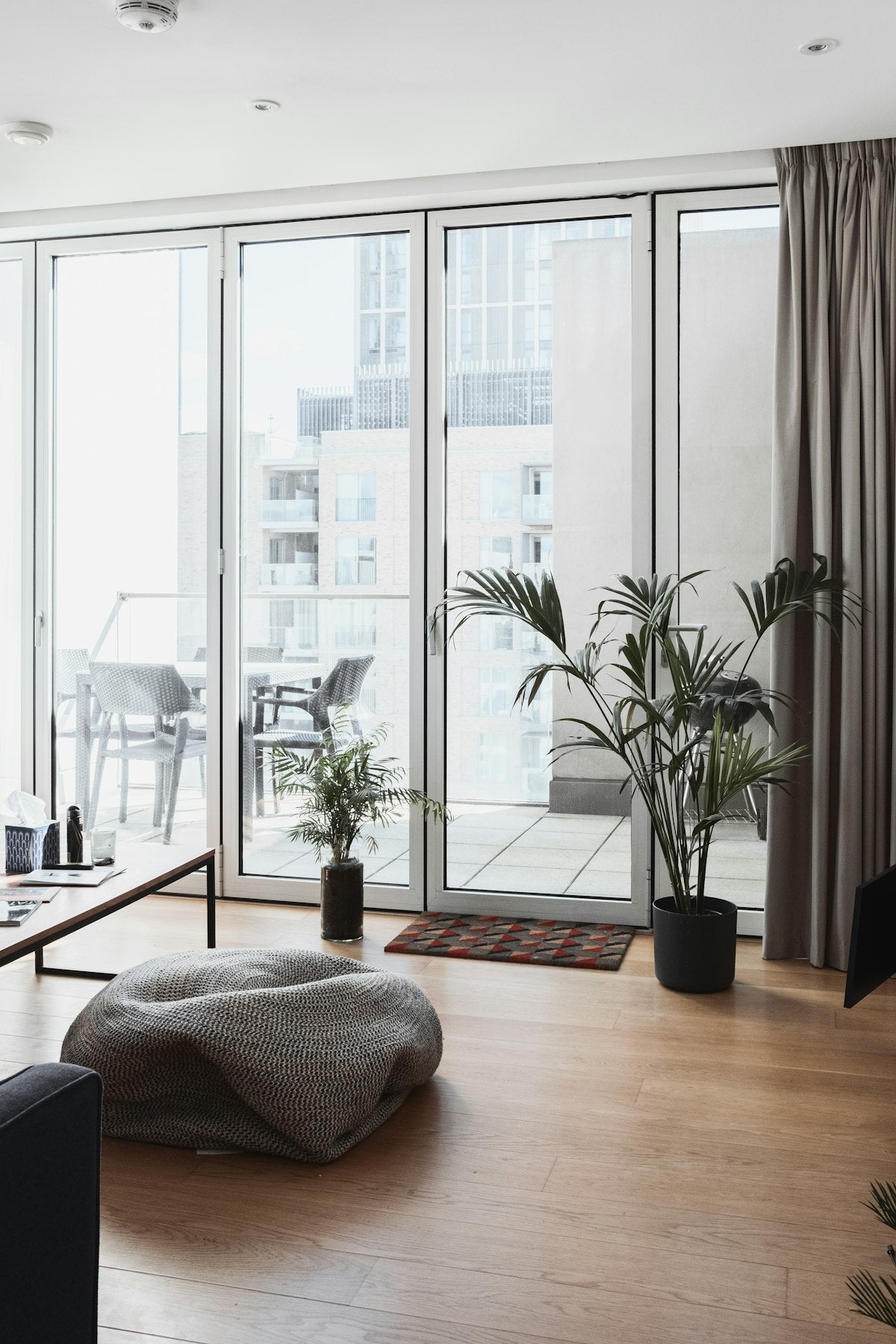
The feeling is rooted in something real, which is part of why naming it helps. Most patio sliders ship with a single thumb latch (a little hook that catches a notch in the frame). That latch was designed to keep the door from drifting open in the wind, not to resist a determined push. Pair that with a large pane of glass and a panel that rides on a track, and your brain quietly registers "one flimsy point of failure." That instinct is accurate, and it is also good news, because a single weak point is a single thing to reinforce.
Security and industry sources consistently note that sliding patio doors and ground-floor windows are common entry points precisely because of those weak factory latches. So this is not a personal oversight on your part. It is a known quirk of how these doors are built, and it has known, off-the-shelf answers.
A sliding door has essentially three soft spots: the latch can be forced, the panel can be lifted off its track, and the glass itself. Address those three, and the door goes from "that one thing I worry about" to genuinely settled.
The 6 Fixes, From Easiest to Most Thorough
1. Drop a bar in the track (stops the door from sliding)
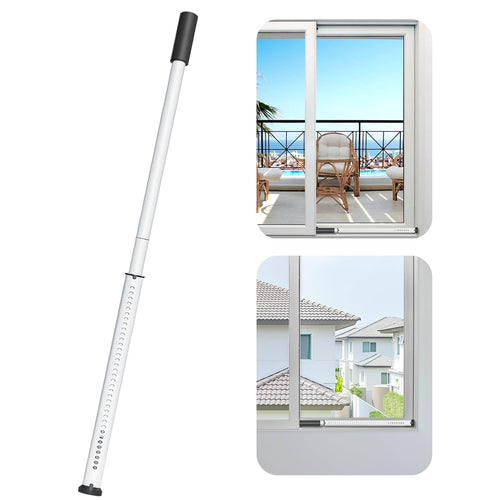
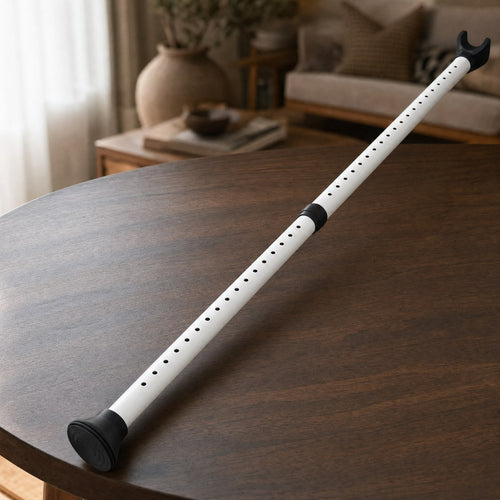
This is the classic fix because it works and takes about ten seconds. A solid bar or rod laid in the lower track physically blocks the panel from sliding open, even if someone defeats the latch entirely. An old broom handle does the basic job, but a purpose-built Sliding Glass Door Security Bar fits the track properly, adjusts to the width, and folds up out of the way when you want the door open. There is no drilling and nothing permanent, so it is fully renter friendly. Start here. It is the single highest-value change you can make to a slider.
2. Stop the panel from being lifted off its track
Here is a quieter vulnerability most people never think about: many sliding panels can be lifted up and out of the lower track, bypassing the latch and the bar altogether. The fix is small and almost invisible. Drive two or three short screws into the upper track above the door so the heads hang down just enough to keep the panel from rising. Now the door cannot be lifted clear. This takes about five minutes with a screwdriver, costs a few cents, and closes a gap that even a track bar leaves open. (Renters: this leaves only tiny screw holes, easily filled when you move.)
3. Add a second lock up high
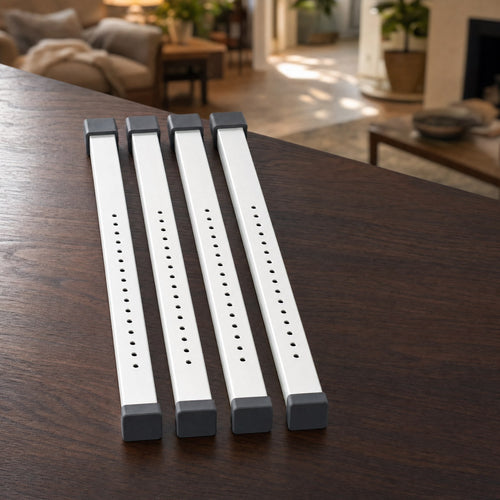
The factory latch sits in the middle of the door, which is the easiest spot to flex and pry. Adding an auxiliary lock changes the math. A simple track lock that clamps onto the lower rail, or a foot-operated lock near the floor, gives you a second independent point of resistance that does not rely on the original hardware. Many of these are clamp-on, no-drill designs, so they suit rentals well. Two locks at different heights make the panel far harder to flex and force.
4. Reinforce the glass with security film
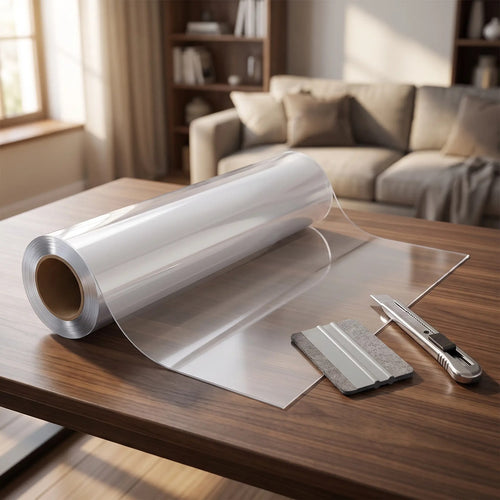
The glass is the most visible part of the door, so it is natural to worry about it, but it is also straightforward to harden. Anti-Shatter Window Security Film is a clear layer that bonds to the inside of the pane and holds the glass together if it is struck. Instead of giving way cleanly, the glass stays in its frame and keeps resisting. The film is transparent, so it does not change how your door looks or how much light comes in, and it adds a layer of confidence to the one part of the door you cannot bar or screw down.
5. Put an alarm on the glass itself
Locks and bars hold the door. An alarm does a different and equally important job: it removes the quiet. This matters because of how opportunistic entry actually works. Researchers at the University of North Carolina at Charlotte interviewed convicted burglars and found a strong preference for speed and silence; a slow, loud opening is exactly what sends most of them looking elsewhere. A stick-on alarm turns your slider from a silent panel into a noisy one. The TremShield Alarm mounts to the glass or frame with adhesive and sounds at around 125 decibels the moment it senses the vibration of someone working at the door. There is no Wi-Fi, no app, and no subscription. It peels on in about 60 seconds, which makes it ideal for renters and anyone who would rather not drill.
6. Add a visible deterrent so the door reads as "handled"
The calmest layer is the one that means nothing ever starts. A lot of entry is opportunistic, with someone simply trying an opening that looks easy. According to the Bureau of Justice Statistics, a large share of break-ins happen through an unlocked or weakly secured opening, which means the goal is often just to look like more effort than it is worth. A small alarm decal on the glass, a visible bar in the track, good lighting near the patio, and trimmed shrubs so the door is not hidden all signal that this entrance is thought through. Deterrents do not hold the door; they quietly redirect attention before anything begins.
How These Fixes Work Together
You do not have to choose just one, and you do not have to do all six today. Think of it as layered defense, the same approach a good locksmith would describe. Deterrents redirect, so most situations never start. The bar, the anti-lift screws, and the second lock hold the door if one is tested. The film keeps the glass together. The alarm warns you and ends the quiet. Each layer covers a different gap, and together they turn a single anxious latch into a calm, complete system.
It also helps to zoom out. FBI crime data shows US property crime has fallen over the last decade. The point of securing your slider is not to brace for something looming; it is to take a known soft spot and simply close it, so your mind can rest. If you want to extend the same thinking to your other entrances, our door security collection covers the rest of the house with the same calm, no-subscription approach.
Frequently Asked Questions
What is the single best fix if I only do one thing?
A track bar. It physically blocks the door from sliding even if the latch is defeated, installs in seconds, needs no tools, and is fully renter friendly. The Sliding Glass Door Security Bar is the simplest place to start, and you can always add more layers later.
I rent. Can I secure my sliding door without drilling or damage?
Yes, and most of these fixes are renter friendly. A track bar, clamp-on track locks, and security film all install without permanent changes. The TremShield Alarm uses adhesive and peels on in about a minute. The only fix that leaves marks is the anti-lift screws, and those leave only tiny holes you can fill when you move.
Does anti-shatter film really make a difference?
It helps in a specific, useful way. Film holds the glass together so it does not give way cleanly when struck, which keeps the door resisting longer. Combined with a bar and an alarm, it removes the "just break the glass" shortcut while staying completely clear.
How long does the whole project take?
An afternoon, comfortably. The bar and alarm take a few minutes each, the anti-lift screws about five, and the film a bit longer to apply cleanly. Most people finish a slider in well under an hour of actual work.
You Can Have This Settled by Tonight
A sliding glass door looks like a vulnerability, but it is really just a short, solvable checklist: block the track, stop the lift, add a second lock, reinforce the glass, and let an alarm handle the quiet. Pick the layers that fit your home and your situation, and you can move this from a background worry to a closed item today. The TremShield Alarm installs in about 60 seconds with no Wi-Fi, no app, and no subscription, and it is trusted in more than 1,500 homes with a 4.8-star rating. Whenever you are ready, it is a calm, simple first step toward a door you no longer think twice about.
Back to all articles