In this article
If it happened today, start here: you are safe in this moment, and the steps ahead are shorter than they feel. Someone was in your space without permission, and every part of you registers that. Shaken, angry, oddly calm: all of it is a normal response, and none of it means you're handling this wrong.
The whole plan, up front: get somewhere safe and call 911. Photograph everything before you tidy. Write down the report number. Call your insurer today. Repair the entry point within a day or two, then re-secure it properly over the week. Everything else, including feeling normal again, is allowed to take its time.
That's what to do after a break-in, condensed to five moves. The sections below walk the same timeline, minutes to hour to day to week to the first good night of sleep, with nothing you have to hold in your head and nothing that must be finished today.
The first minutes: get somewhere safe and call
This block has one job: be somewhere safe, making one call. If you arrived home to a door that won't latch or a broken pane, stay out. If you were inside when you realized, walk straight out and settle at a neighbor's, in your car, or a spot with people around. Not because danger is likely (burglars want to be in and out quickly), but because checking the house isn't your job. Officers do these walkthroughs routinely; let it be theirs.
Call 911 and describe what you found; if your area routes burglaries that are already over to a non-emergency line, the dispatcher will connect you. While you wait, touch as little as possible. Knobs, drawers, and sills sometimes hold fingerprints, and an untouched room matches the photos you're about to take. Resist straightening anything yet; its moment is coming.
That's the whole first block: somewhere safe, one call, hands in your pockets. You are already handling this.
The first hour: photograph everything before you tidy
While you wait for officers, or right after their walkthrough, photograph everything exactly as it is. It's the most useful thing you'll do all day and the most often skipped, because every instinct says to put the rooms back. Cleaning will feel like recovery, and it erases documentation. Let the mess stay useful one more hour.
Take too many: the entry point from inside and outside, each room as you found it, damage up close, wide shots for context. Your insurer would always rather have forty photos than four. Then open your notes app and start the list of what's missing. You'll keep noticing gaps for days (reaching for something that's gone is often how you find out), and each one just gets added. Nobody produces a complete list on day one.
Before officers leave, ask for two things: the report number, plus how to get a copy, and whether the department connects burglary victims with victim services. Many cities and counties offer no-cost advocates who help with paperwork, replacements, and having someone to talk to. And carry one expectation gently, so it can't ambush you later: most burglaries don't end in an arrest (the Council on Criminal Justice reports that police cleared about 13 percent of reported burglaries in 2022), and the report's real power lies elsewhere. It's the key to your insurance claim, your replacement documents, and the paper trail that protects you if anything stolen is misused. Every step ahead runs through that number.
End of hour one: documented, numbered, listed. Now tidy if you want to, on your terms this time.
The first day: the insurance call and the other calls
One call to your insurer sets the money in motion, and it goes easiest with everything on the table before you dial. The Insurance Information Institute's claim guidance comes down to calling promptly, documenting thoroughly, and saving every receipt. Translated to your kitchen table, have these four things ready:
- The report number, the department's name, and the names of the officers you spoke with.
- Your photos, exactly as taken.
- The running list of what is missing, labeled as still growing, with receipts, serial numbers, or old photos where they exist. Where they don't, say so; nobody keeps receipts for everything, and adjusters know it.
- Three questions written down: what's covered, what the filing deadlines are, and how the deductible applies.
Ask about temporary repairs on the same call. Reasonable fixes that keep weather and worry out, plywood over a pane, a hasp on a damaged door, are expected, and their receipts belong in the claim file too. File the claim forms promptly when they arrive.
Two more calls, only if they apply. If you rent, the landlord gets the repair request today: door, frame, glass, and locks are theirs to fix, and it's reasonable to ask for locks to be changed rather than patched. Put it in writing, even a text, so the timeline is on record. And if a wallet, cards, or documents are gone: freeze the cards in each bank's app (instant and reversible), then place a free fraud alert with one of the three credit bureaus, which must notify the other two.
By tonight the claim is open, the broken bits are boarded or braced, and the calls are made. That's a full day's work. Let it be enough.
The first week: re-secure the entry point first
The week's order of work: repair what broke, then make that opening stronger than it has ever been, then give the same treatment to the other openings like it. The Department of Justice's problem-oriented guide on household burglary notes that a burglarized home's risk runs higher for a short window afterward, concentrated in the first six weeks, and that protective steps help most when they go in early, ideally within the first day. Read that the way it's meant: not as a new fear, but as a window. This is the week re-securing pays best, and the window closes on its own.
None of this is a verdict on what you had before. Builder hardware is chosen for cost, and it does fine until the day it's asked for more. You're not correcting a mistake; you're choosing your own hardware for the first time.
If a door was the entry point: repair first (a door that locks tonight beats a perfect door next month), then reinforce. The two upgrades that change a door most are 3-inch screws reaching the wall framing behind the strike plate and a door reinforcement lock, a second point of resistance that installs in minutes. Our guide to why doors give way and the cheap upgrades that stop it walks the full sequence. If a window was the entry: repair the glass, add a lock it didn't have before, and give the nearby ground-floor windows the same fix.

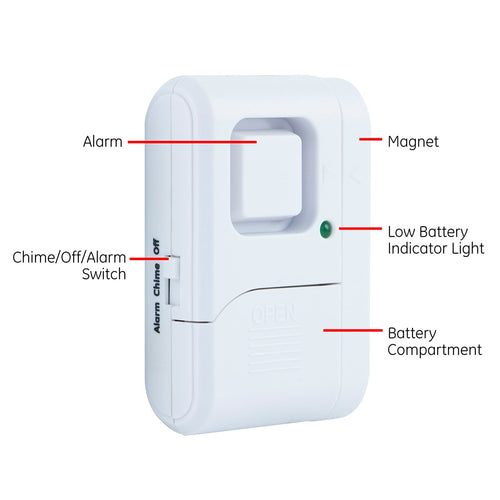
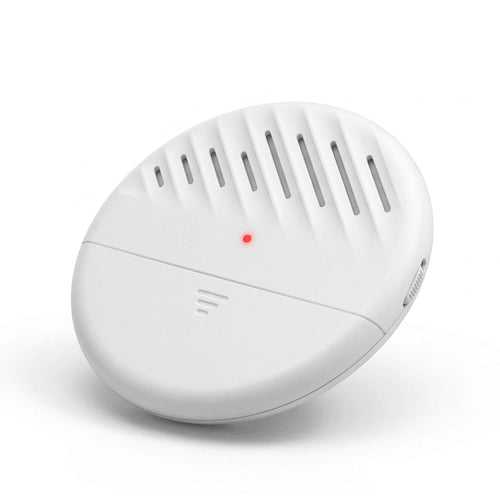
Then add sound. In a University of North Carolina at Charlotte survey of 422 incarcerated burglars, 60% said an alarm would send them looking for a different target. Magnetic entry alarms stick onto doors and windows and sound a loud siren when their two halves separate, and a vibration alarm on repaired or worried-about glass sounds 125 decibels at the first serious shake, before anything gives way. Everything runs on batteries, with no Wi-Fi and no app, nothing to subscribe to: this week you want purchases that are done, not projects. The alarm finder matches each door and pane to a device in about two minutes.
One ring further out, if the energy is there: lighting on the approaches and a visible sign at the entry ask a passing opportunist to pick a different street. Our evidence-ranked list of what actually deters burglars covers which ones earn a place, and the protect-your-home collection keeps them in one spot. But guard your scope: this week's assignment is the entry point and its siblings, finished. A short list completed beats a long one left open.
Sleeping again: what the first nights are like
Now the part most guides skip. For a while, home can feel different: sleep runs lighter, small sounds get a second listen, and the rooms that are yours don't quite feel like it yet. Nothing is wrong with you. It's the normal wake of an abnormal event, and it's documented: a 2023 systematic review in the journal Trauma, Violence, & Abuse found that anger, unease, and low mood are common after a burglary, sharpest in the first days, and that for most people the acute distress eases within about a month. In one study the review covers, the unease still measurable a week afterward was gone by week four or five. The feeling is real, and it is already fading.
Two things speed it up. The first is being treated well: the same review found victims who were satisfied with the police response carried less lasting distress. Let friends, family, and neighbors show up for you too. The second is evidence. Give the wobbliest hour of the evening a job: one small improvement per day (an alarm armed for the first time, a lamp on a timer, the new lock's first click), then the same short lock-up lap every night. A body relearns a house through repetition, not reassurance. The full ritual is in our guide to a 5-minute evening routine for feeling safe at night, written for exactly these weeks.
If the fade hasn't come after a month or two, talking to a professional is a normal next step and a strong one. Most people won't need it. Everyone is allowed it.
Six weeks from now, the window the researchers describe has closed, the house is stronger than it was before, and the nights are mostly ordinary again. The break-in is something that happened to you. The recovery is something you did.
After a break-in: locks, cover and alarms
Should I change my locks after a break-in?
Yes if any keys were taken or the lock was damaged, and it is a sensible step even if neither happened. If you rent, ask the landlord in writing, since the locks on a rental are theirs to change.
Does homeowners or renters insurance cover a break-in?
Usually yes: standard homeowners policies and most renters policies cover stolen property and break-in damage, minus your deductible, though your own policy's terms decide. Have the police report number, your photos and the list of missing items ready, and keep receipts for temporary repairs like boarding a window.
Do I need a monitored security system after a break-in?
Not necessarily. Start by making the entry point stronger than it was, then add battery alarms on the doors and glass near it. A monitored plan is worth comparing if the house often sits empty for days at a time.
What does it cost to alarm the windows after a break-in?
One TremShield Vibration Alarm is $29.99, enough for the pane that was broken. Six are $99, which is $16.50 per alarm and $80.94 less than six singles, and the six-pack adds two no-drill window locks for the windows beside it.
Back to all articles